Differences Between Types of Drug Tests: Urine, Saliva, Blood, Hair
You have an upcoming drug test and feel confident you’re in the clear, but what if the method they choose changes everything? Not all tests look for the same evidence, and one simple mistake could jeopardize your results. Discover the Differences Between Types of Drug Tests: Urine, Saliva, Blood, Hair, and learn why choosing a proper detox in Brooklyn might be the safety net you never knew you needed.
Find details at Detox in Brooklyn
TL;DR:
Urine drug tests are a reliable, noninvasive method used to detect recent substance use by identifying drug metabolites rather than the drugs themselves. The procedure relies on a strict, two-step laboratory process. After secure sample collection and validity checks to prevent tampering, an initial rapid screening (immunoassay) flags potential substances. Any presumptive positive results then undergo highly precise, advanced confirmatory testing (such as GC-MS) to eliminate false positives.
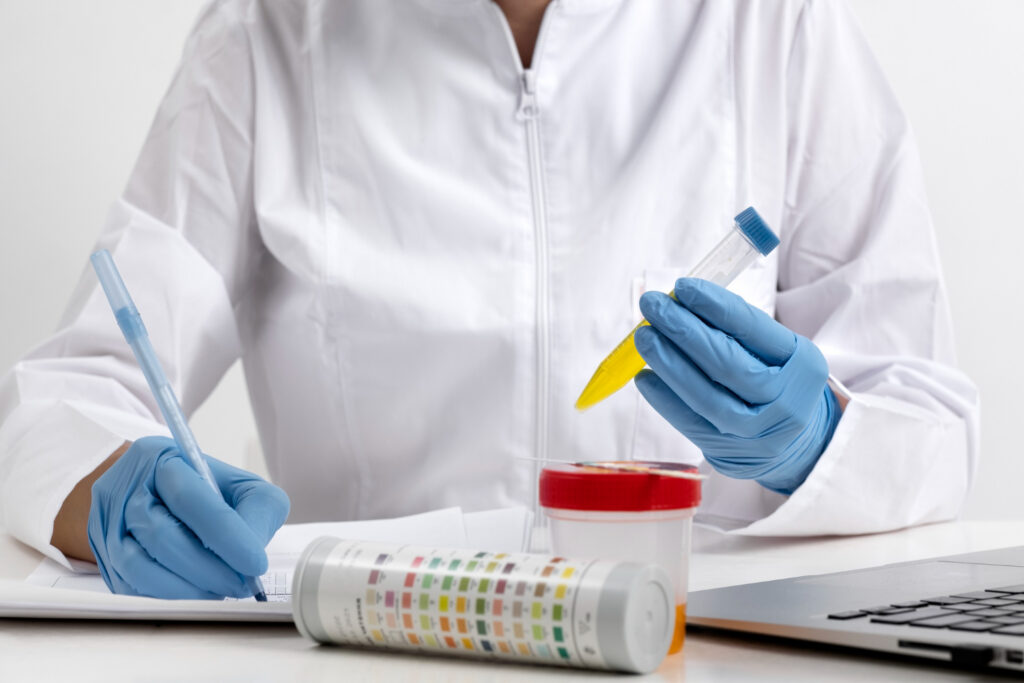
How does a Urine Drug Test Work?
A urine drug test is a relatively noninvasive, cost-effective laboratory procedure used to detect the presence of drugs or their metabolites in a person’s urine. Widely utilized in workplaces, healthcare settings, rehabilitation programs, athletic organizations, and legal investigations, it is highly effective at identifying recent substance use.
Rather than detecting the drug itself, these tests typically look for metabolites, substances created when the body breaks down a drug. Federally regulated programs commonly screen for substances like amphetamines, cocaine metabolites, marijuana metabolites, opioids, and phencyclidine. The testing generally follows a reliable two-step process: a rapid initial screening, followed by an advanced confirmatory test for any presumptive positives. This layered process, when interpreted alongside a patient’s medical history to account for cross-reactivity, greatly improves the accuracy of the results.
Sample Collection and Handling
Proper collection and handling are crucial, as improper procedures can easily compromise the validity of the results. Individuals provide a sample in a sterile container under controlled conditions to prevent contamination, substitution, or tampering.
- Chain-of-Custody: The sample is labeled and tracked using a strict process, documenting everyone who handles it from collection to analysis to prevent legal or workplace disputes.
- Validity Testing: Laboratories check the sample’s temperature, pH, creatinine concentration, and specific gravity to ensure it hasn’t been diluted or adulterated.
- Storage and Transportation: Samples are promptly refrigerated and transported under strict quality assurance protocols, as exposure to extreme temperatures or poor sealing can alter the chemical stability of the specimen.
Detection of Drug Metabolites
Urine tests primarily focus on detecting metabolites, which are produced when the liver chemically processes a substance. Because metabolites stay in the system longer than the parent drug, they act as a more reliable indicator of recent use.
| Factor | Description |
| Common Breakdowns | Public health organizations note that cocaine metabolizes into benzoylecgonine, while heroin breaks down into morphine and 6-monoacetylmorphine. |
| Detection Window | This depends on factors like dosage, frequency of use, hydration, body composition, and overall health, ranging from a day or two to several weeks for chronic use. |
| Cutoff Levels | Laboratories use specific concentration thresholds to determine a positive or negative result, helping to prevent false positives from trace environmental exposures. |
Laboratory Screening Process
The initial screening typically relies on immunoassay tests. These biochemical tests detect specific molecular structures associated with drug classes and are highly favored because they can process large volumes of samples rapidly and efficiently.
This initial step is qualitative, meaning it simply indicates if a substance may be present above the designated cutoff. Nevertheless, immunoassays are considered presumptive. Clinical literature highlights that cross-reactivity with certain prescription medications, over-the-counter products, or underlying medical conditions can occasionally cause false-positive or false-negative results.
If a screening returns a negative result, testing usually concludes. If it returns a presumptive positive, the sample advances to the next stage under strict professional standards.
Confirmation Through Advanced Testing
To verify a positive screen and accurately identify the exact drug or metabolite, laboratories employ highly sophisticated confirmatory tests.
- Gold Standard Methods: The most common methods are gas chromatography-mass spectrometry (GC-MS) and liquid chromatography-tandem mass spectrometry (LC-MS/MS).
- High Precision: These technologies separate chemical compounds and identify them by their unique molecular characteristics, drastically reducing the chance of a false positive.
- Quantitative Analysis: Furthermore, confirmatory testing measures the exact concentration of the metabolite to differentiate between true exposure and unrelated cross-reactivity.
- Medical Review: In regulated programs, specially trained physicians known as Medical Review Officers evaluate these confirmed findings alongside the patient’s medical and prescription history to ensure an accurate, fair interpretation.
Interpretation of Test Results
Interpreting a urine drug test requires analyzing the broader clinical context rather than just reading a “positive” or “negative” label. A positive result means a substance was detected above the cutoff level, but it does not inherently prove impairment or addiction. Conversely, a negative result only means the substance was absent or below the reporting threshold, not that the individual has never used drugs.
Medical literature emphasizes that individual physiology, timing of use, metabolism, and hydration all influence the outcome. Because detection windows vary greatly between substances, and because certain medical conditions or medications can interfere with screening, healthcare professionals must carefully evaluate the results against the individual’s specific medical background.
Key Takeaways:
- Focus on Drug Metabolites: Urine drug tests are noninvasive, cost-effective procedures designed to detect drug metabolites rather than the original substances themselves. Since the liver produces these chemical byproducts during processing, they remain in the system much longer to provide a highly reliable indicator of recent use.
- Strict Collection and Handling: Proper sample collection requires strict chain-of-custody documentation to track handling and actively prevent legal or workplace disputes. Laboratories also perform precise validity testing on temperature, pH, and specific gravity to guarantee the specimen has not been diluted, substituted, or tampered with.
- The Initial Screening Phase: The laboratory process begins with rapid, qualitative immunoassay screenings that efficiently process large volumes of samples to flag presumptive positives. Because these biochemical tests look for specific molecular structures, they can sometimes produce false-positive or false-negative results due to cross-reactivity.
- Advanced Confirmatory Testing: Any presumptive positive results advance to highly sophisticated confirmatory testing using gold-standard methods like GC-MS or LC-MS/MS. These advanced technologies separate chemical compounds and measure exact metabolite concentrations, drastically reducing the possibility of a false positive.
- Nuanced Result Interpretation: Interpreting test outcomes requires a comprehensive analysis of the broader clinical context rather than simply reading a positive or negative label. A positive test indicates a substance exceeded the cutoff level but does not inherently prove impairment, while a negative result solely means the substance was below the reporting threshold.
FAQs:
What are the most common types of drug tests?
Urine testing is highly favored in workplaces, healthcare settings, rehabilitation programs, athletic organizations, and legal investigations because it is a relatively noninvasive and cost-effective laboratory procedure for identifying recent substance use.
What is the most accurate type of drug test?
The most accurate methods are the advanced confirmatory tests used by laboratories, specifically gas chromatography-mass spectrometry (GC-MS) and liquid chromatography-tandem mass spectrometry (LC-MS/MS).
Are all drug tests accurate?
While drug tests are highly reliable, they are not completely foolproof, as false-positive and false-negative outcomes can occasionally occur. Initial screening tests are considered presumptive because certain medical conditions, prescription medications, or over-the-counter products can interfere with the assays through cross-reactivity. To ensure greater precision, laboratories utilize a layered, two-step process.
What is the difference between a lab drug test and a regular drug test?
The first step is a rapid initial screening, typically an immunoassay test, which is qualitative and simply indicates if a substance might be present above a designated cutoff level. Because these initial screenings are considered presumptive and can sometimes produce false positives due to cross-reactivity, laboratories then employ highly sophisticated, advanced confirmatory tests, to verify the results and measure exact metabolite concentrations.
Sources.
Ayala-Lopez, N., Aref, L., Colby, J. M., & Hughey, J. J. (2021). A Computational Approach to Identify Interfering Medications on Urine Drug Screening Assays without Data from Confirmatory Testing. Journal of analytical toxicology, 45(4), 325–330. https://doi.org/10.1093/jat/bkaa140
Centers for Disease Control and Prevention. (2024, April 10). Clinical drug test dashboard. U.S. Department of Health and Human Services. https://www.cdc.gov/overdose-prevention/data-research/facts-stats/clinical-drug-test-dashboard.html
You May Also Like:
How Much Does Drug Rehab Cost Without Insurance?