What Is a Substance Abuse Evaluation?
You’ve heard the term before, but what is a substance abuse evaluation really, and why does it matter more than you might think? It’s more than just a questionnaire or quick conversation. This process can shape treatment paths, legal outcomes, and even change lives. But how does it work, and what should you expect? The answers may surprise you…
TL;DR
A substance abuse evaluation is a structured process conducted by trained professionals to assess an individual’s substance use patterns, severity, and related mental or physical health issues. It typically involves screening tools, intake interviews, standardized assessments, biological tests, and DSM-5 criteria to diagnose substance use disorders and guide treatment planning. Evaluations help determine the appropriate level of care, ranging from outpatient counseling to inpatient treatment, and identify co-occurring conditions. Afterward, results are reviewed collaboratively, referrals are made, treatment is initiated, and progress is monitored through ongoing adjustments and aftercare support to foster long-term recovery.
Begin your substance abuse evaluation process.

How Does a Substance Use Assessment Work?
A substance use assessment is a structured process carried out by trained professionals, such as counselors, psychologists, or primary care providers, to understand a person’s substance use patterns, behaviors, and their overall impact.
The assessment typically includes an initial screening, followed by a detailed history, standardized questionnaires, and sometimes biological testing like urine or blood samples. These steps help gather a complete picture of the individual’s substance use.
The primary goal is to determine whether the person meets the DSM-5 criteria for a Substance Use Disorder (SUD), assess its severity, and identify any co-occurring mental health conditions. This information is essential for developing an accurate diagnosis and effective treatment plan.
Step-by-Step: How a Substance Abuse Evaluation Works
A substance abuse evaluation follows a detailed, structured process to accurately assess a person’s relationship with substances. Each step builds on the last to create a complete understanding of use patterns, health impacts, and treatment needs.
1. Screening
The process begins with a brief screening using tools like AUDIT, AUDIT-C, CAGE-AID, or TAPS. These short questionnaires, usually 1 to 10 questions, help quickly identify potential substance-related risks. They may be completed by the individual or guided by a clinician.
2. Intake Interview / Initial Assessment
If screening raises concerns, a more in-depth interview is conducted. This includes questions about substance use history (what, how much, how often), consequences (health, legal, social, occupational), signs of tolerance or withdrawal, and any psychiatric or medical background to detect co-occurring disorders.
3. Standardized Measures
Validated tools are often used to deepen the assessment. These may include:
- Addiction Severity Index (ASI): Covers substance use and related life areas like medical, legal, and psychiatric issues.
- Global Appraisal of Individual Needs (GAIN): A broad biopsychosocial tool for diagnosis and treatment planning.
- SBIRT: Identifies risk level and recommends intervention.
Tools are selected based on setting and needs. A 2023 review recommends combining these with biological tests, such as urine screening, for more accurate results.
4. Physical Exam & Lab Tests
Some evaluations include a brief physical exam and laboratory testing. While urine or blood drug screens can confirm recent substance use, they are used to supplement, not replace, clinical judgment.
5. Diagnosis & Severity Grading
Using DSM-5 criteria, clinicians evaluate symptoms like impaired control, hazardous use, and withdrawal effects. Based on how many criteria are met, substance use disorders are classified as mild (2–3 symptoms), moderate (4–5), or severe (6 or more).
6. Case Conceptualization & Level-of-Care Determination
Finally, clinicians use frameworks such as the American Society of Addiction Medicine (ASAM) criteria to determine the most appropriate level of care. This includes evaluating medical status, mental health, relapse risk, and living environment to decide between outpatient, intensive outpatient, residential, or inpatient treatment options.
Key Components of a Substance Use Assessment
A substance use assessment is a detailed process designed to evaluate a person’s relationship with substances and determine the best course of treatment. Several essential components work together to form a complete picture of the individual’s needs and challenges.
- Screening Tools
The process often begins with brief, validated screening instruments like AUDIT, CAGE-AID, TAPS, or SBIRT. These tools quickly identify potential substance-related concerns and help guide whether further evaluation is necessary.
- Comprehensive Intake
A detailed intake interview follows, gathering information about the person’s substance use history, patterns, motivations, and the impact of use on different areas of life. This step provides context and helps shape the direction of the full assessment.
- Standardized Instruments
To deepen the evaluation, professionals may use structured tools such as the Addiction Severity Index (ASI), Global Appraisal of Individual Needs (GAIN), and SBIRT. These are often supplemented by psychosocial scales like the Rutgers Alcohol Problems Index or PROMIS to measure problem severity and overall functioning.
- Biological Data
Urinalysis or other lab tests may be used to support clinical findings. While these do not replace a full evaluation, they offer helpful confirmation of recent substance use.
- DSM-5 Diagnosis
Clinicians apply the criteria from the Diagnostic and Statistical Manual of Mental Disorders, Fifth Edition (DSM-5) to determine whether the individual meets the definition of a Substance Use Disorder and to assess its severity.
- Clinician Judgment and Co-Occurring Issues
Finally, clinical judgment plays a central role. Guided by frameworks such as the American Society of Addiction Medicine (ASAM), the clinician considers the individual’s full biopsychosocial context. Screening for co-occurring mental health conditions, such as depression or anxiety, is also a standard part of the assessment, given the high rate of dual diagnoses.
Who Needs a Substance Abuse Evaluation and Why?
A substance abuse evaluation is a valuable tool for identifying and addressing problematic substance use. It’s not limited to one specific group; a wide range of individuals may benefit from undergoing this assessment.
Who Needs One?
- Individuals who screen positive on tools such as AUDIT, CAGE-AID, or TAPS.
- People who have personal concerns or have received feedback from loved ones about their substance use.
- Those entering treatment programs, involved in the criminal justice system, or interacting with healthcare settings due to substance-related health, legal, or social issues.
- Individuals with co-occurring mental health or medical conditions, as dual diagnoses are common and require coordinated care.
Why Is It Important?
- To confirm or rule out a Substance Use Disorder (SUD) based on DSM-5 criteria and assess its severity.
- To determine the appropriate level of care, such as outpatient, intensive outpatient, or inpatient treatment.
- To identify co-occurring mental or physical health issues that need integrated treatment.
- To guide personalized treatment planning, including setting goals, choosing strategies, and tracking progress.
- To help reduce risks such as overdose, accidents, or worsening health outcomes.
An evaluation serves as the starting point for effective intervention, ensuring individuals receive the right type and level of care for their unique situation.
What Happens After a Substance Abuse Evaluation?
Once a substance abuse evaluation is complete, the next steps are focused on turning assessment insights into meaningful, personalized care. This process is collaborative and evolves over time to support the individual’s recovery journey.
- Feedback & Collaborative Planning
The results of the evaluation are reviewed with the individual in a supportive, open conversation. A patient-centered, shared decision-making approach is used to align treatment recommendations with the person’s goals, values, and readiness for change. - Referrals & Level of Care Placement
Using established criteria such as the ASAM framework and assessment findings, referrals are made to the most appropriate level of care. This may include outpatient counseling, intensive outpatient programs, detox services, residential treatment, medication-assisted treatment, or mutual-help groups. - Initiation of Treatment
Treatment begins based on the individual’s unique needs. It may involve psychotherapy (like Cognitive Behavioral Therapy or motivational interviewing), medications (such as naltrexone or buprenorphine), peer support groups, or integrated case management services. - Ongoing Monitoring & Adjustment
Recovery is not a one-time event. Progress is monitored through follow-up interviews, lab testing, and standardized assessment tools. Treatment plans are updated as needed, based on the individual’s response, relapse risks, and changing circumstances. - Aftercare & Recovery Support
To support long-term recovery, aftercare plans are developed. These may include participation in support groups, living in sober housing, and maintaining regular follow-up appointments to reduce relapse risk and strengthen recovery outcomes.
Key Takeaways
- A substance abuse evaluation is a structured process by trained professionals to assess substance use patterns, severity, and impacts on health, behavior, and daily life.
- The process includes screening tools, a detailed intake interview, standardized assessments, possible biological tests, and applying DSM-5 criteria to diagnose and classify Substance Use Disorders (mild, moderate, or severe).
- Clinicians also evaluate co-occurring mental health issues and use frameworks like ASAM criteria to determine the most appropriate level of care (outpatient, residential, or inpatient).
- Evaluations are important for confirming diagnoses, guiding personalized treatment, identifying dual diagnoses, and reducing risks such as overdose or worsening health.
- People who may need an evaluation include those with positive screenings, personal or family concerns, legal or medical issues related to substance use, or co-occurring mental health conditions.
- After evaluation, steps include collaborative planning, referrals to the right level of care, treatment initiation (therapy, medications, peer support), ongoing monitoring, and aftercare support to promote long-term recovery.
Sources.
da Silva, M. A. A., Andrade, A. L. M., & De Micheli, D. (2018). Evaluation of the implementation of brief interventions to substance abuse in a socieducative context. Revista Psicologia em Pesquisa, 12(1).
Winters, K. C., Botzet, A. M., Stinchfield, R., Gonzales-Castaneda, R., Finch, A. J., Piehler, T. F., … & Hemze, A. (2018). Adolescent substance abuse treatment: A review of evidence-based research. Adolescent substance abuse: Evidence-based approaches to prevention and treatment, 141-171.
Moos, R. H. (2018). Evaluating treatment environments: The quality of psychiatric and substance abuse programs. Routledge.
How Long Does It Take to Detox from Cannabis?
You’ve decided it’s time to detox from cannabis, but how long will it actually take? The answer isn’t as simple as you might think. From physical withdrawal to mental clarity, the timeline can vary widely. What factors make the biggest difference, and how can you speed up the process? The truth might challenge your expectations…
TL;DR
The time it takes to detox from cannabis varies greatly depending on factors like frequency of use, metabolism speed, body fat percentage, hydration, exercise, and overall lifestyle. Occasional users may clear THC in a few days, while chronic users may take several weeks or more due to higher THC buildup in fat cells. Faster metabolisms, lower body fat, regular exercise, proper hydration, healthy diet, good sleep, and stress management all support more efficient detox. Ultimately, detox duration is highly individual, shaped by both biological and lifestyle factors.
Talk to a professional with Individual Therapy for cannabis detox

What Factors Affect the Duration of Cannabis Detox?
The length of time it takes to detox from cannabis can vary widely from person to person. There is no one-size-fits-all timeline, as several personal and biological factors influence how long THC and its metabolites remain in the body. One major factor is frequency of use. Individuals who use cannabis regularly or in high amounts typically require a longer detox period than those who use it occasionally. This is because THC builds up in the body over time and takes longer to be fully cleared.
Metabolic rate and body fat percentage also play important roles. People with faster metabolisms tend to eliminate substances more quickly. Since THC is stored in fat cells, those with higher body fat may retain it longer.
Other contributors include hydration levels, exercise routines, and overall health. Staying well-hydrated and physically active may support the body’s natural detox processes. Additionally, general lifestyle choices, such as diet, sleep quality, and stress management, can influence how efficiently the body processes and eliminates THC.
Frequency of Use
The frequency and amount of cannabis consumption are key factors in determining how long detox will take. Because it is lipophilic, meaning it binds to fat cells, it tends to stay in the body longer, especially with regular use. The more often cannabis is used, the more THC builds up in fat tissues, extending the detox process.
Here’s how frequency of use can impact detox duration:
- Occasional Users:
May eliminate it within a few days, as their bodies have lower levels of stored THC. - Moderate Users:
Might require several days to a couple of weeks to detox, depending on consistency and quantity of use. - Chronic Users:
Can take several weeks or more to fully clear THC, due to higher accumulation in fat cells over time.
Metabolism Speed
Metabolism plays a crucial role in how quickly the body can detox from cannabis. A faster metabolic rate helps break down and eliminate cannabis more efficiently, shortening the overall detox period.
Several factors influence metabolic speed:
- Age: Younger individuals generally have faster metabolisms, which can support quicker detoxification.
- Genetics: Some people are naturally predisposed to process substances faster due to their genetic makeup.
- Physical Activity: Regular exercise can boost metabolism, contributing to a more efficient elimination of THC from the body.
Those with slower metabolisms may find that detox takes longer, even with similar usage patterns. Comprehending your metabolic rate can help set more accurate expectations during the detox process.
Body Fat Percentage
Body fat percentage is another important factor that affects the length of time it takes to detox from cannabis. It is lipophilic, meaning it binds to fat and is stored in the body’s adipose tissue. This storage slows down the elimination process.
Individuals with higher body fat percentages tend to retain it for longer periods. The more fat tissue present, the more THC can accumulate, making it more difficult for the body to fully eliminate the substance.
In contrast, people with lower body fat percentages typically experience a faster detox process. With less fat available to store cannabis, the body can clear it more efficiently, shortening the overall duration of detox.
Hydration & Exercise
Staying hydrated and incorporating physical activity can greatly support the body’s detox process. Each plays a unique role in eliminating cannabis and its metabolites, but both must be approached thoughtfully to be effective.
The chart below outlines how hydration and exercise contribute to detox, along with important considerations for each:
| Factor | Role in Detox | Key Benefits | Important Considerations |
| Hydration | Supports kidney function and helps flush out cannabis metabolites through urine | Aids in excretion, keeps detox pathways working well | Must be consistent; overhydration doesn’t speed up detox and can disrupt electrolyte balance |
| Exercise | Increases metabolism and promotes fat breakdown, releasing stored THC | Helps release and eliminate it from fat cells | May temporarily raise THC levels in blood; avoid intense workouts right before drug testing |
Health & Lifestyle
Overall health and lifestyle choices have a significant impact on how efficiently the body detoxes from cannabis. A balanced diet rich in fiber supports digestive health, which aids in the elimination of THC through feces. Consuming nutrient-dense foods can also help maintain the body’s natural detox functions.
Sleep and stress management are equally important. Inadequate rest and high stress levels can interfere with hormonal balance and slow down metabolism, both of which are critical to the detox process. Prioritizing consistent sleep and finding healthy ways to manage stress can help the body function more effectively during detox.
Regular physical activity and healthy daily habits further enhance the body’s ability to eliminate THC. Maintaining an active, balanced lifestyle creates a strong foundation for natural detoxification and supports overall well-being throughout the recovery journey.
Key Takeaways
- Cannabis detox duration varies widely depending on personal and biological factors; there is no universal timeline.
- Frequency of use is the biggest factor: occasional users may detox in a few days, moderate users in days to weeks, while chronic users may take several weeks or more due to THC buildup in fat cells.
- Metabolism speed influences detox time, faster metabolisms, often linked to youth, genetics, or regular exercise, clear THC more quickly.
- Body fat percentage impacts retention; higher fat stores prolong THC presence, while lower fat supports faster detox.
- Hydration and exercise aid elimination by flushing metabolites and breaking down fat, though extreme hydration or intense exercise near testing can be counterproductive.
- Overall health and lifestyle, including diet, sleep quality, and stress management, significantly affect detox efficiency and overall well-being during recovery.
Sources.
Das, S. K. (2020). Detoxification of drug and substance abuse. IntechOpen.
Rens, E., Ceelen, A., Martens, N., Van Camp, L., & Destoop, M. (2025). Home‐based detoxification for individuals with alcohol or drug dependence: A systematic review of the recent literature. Drug and Alcohol Review, 44(2), 649-666.
You may also like
How to Stop Porn Addiction: Steps to Overcome It
What if the secret to regaining control over your mind, and your life, was hidden in habits you barely notice? Porn addiction affects more people than you think, often silently. Nonetheless, there is a well-established path to achieving freedom. Before you can walk it, though, you need to identify what keeps pulling you back. The answer might surprise you…
TL;DR
Overcoming porn addiction begins with honestly acknowledging the problem and making a personal commitment to change. Identifying internal and external triggers, such as stress, boredom, or certain environments, helps individuals anticipate and manage urges more effectively. Building new routines, such as exercise, hobbies, or structured daily schedules, provides healthier alternatives and reduces idle time that fuels relapse. Seeking professional support, including Cognitive Behavioral Therapy (CBT) and participation in support groups, strengthens recovery by offering tools, accountability, and community encouragement. With self-awareness, structured habits, and support, long-term freedom and healing are possible.
Reach out to a Care Manager for tailored addiction help

What Are the First Steps to Stopping Porn Addiction?
The first step in overcoming porn addiction is recognizing and accepting that the issue exists. This honest self-assessment is crucial, as real change can only begin with a clear acknowledgment of the problem and a personal commitment to break free from it.
Once the problem is identified, the next step is to comprehend your personal triggers, those specific emotions, situations, or routines that lead to the urge to view pornography. Gaining insight into these patterns allows you to anticipate and respond to them more effectively, rather than reacting on impulse.
With this awareness in place, it becomes easier to start building new, healthier routines. Replacing old behaviors with more positive daily habits helps reduce reliance on pornography and encourages long-term change. Even simple adjustments, like structuring your day or limiting idle time, can make a big difference.
Acknowledge the Problem: The First Essential Step
Recognizing and admitting to a problem with pornography is the first and most vital step toward recovery. Without this honest acknowledgment, lasting change is unlikely. Denial creates a barrier that can delay or completely block progress. Facing the issue directly allows individuals to take ownership of their actions and begin building a path forward.
Reasons why acknowledgment is essential:
- Breaks Through Denial: Facing the truth helps remove the false comfort of denial, which often keeps individuals stuck in harmful patterns.
- Opens the Door to Responsibility: Admitting there is a problem encourages a mindset of accountability, which is necessary for lasting change.
- Initiates the Healing Process: Acknowledgment is the starting point for emotional and behavioral recovery, it marks the transition from being stuck to taking action.
- Supports Better Recovery Outcomes: Research shows that accepting one’s situation is closely linked to more successful recovery efforts over time.
Commit to Change: Make a Promise to Yourself
Committing to change means making a clear, personal decision to move forward. This involves setting realistic goals and creating a structured plan to overcome pornography addiction. Goals might include reducing use, avoiding certain situations, or setting boundaries around device use.
Regularly reviewing progress is essential. Tracking both successes and setbacks helps maintain focus and allows for adjustments along the way. It also reinforces a sense of purpose and direction throughout the recovery process.
Self-reflection plays an important role as well. Comprehending the deeper reasons behind pornography use can strengthen your commitment. Studies show that individuals who actively commit to change and engage in goal-setting are more likely to succeed in their recovery.
Identify Triggers: Comprehending What Leads You to Porn
To effectively overcome pornography addiction, it’s important to comprehend what sparks the urge in the first place. These triggers can be emotional, environmental, or situational, and identifying them is a main part of preventing relapse. By recognizing these patterns, you can prepare healthier responses and take control before the urge takes over.
| Trigger Type | Examples | Why It Matters | Possible Coping Strategy |
| Internal Triggers | Stress, loneliness, boredom, anxiety | These emotional states can increase vulnerability to urges | Practice mindfulness to observe and manage emotions |
| External Triggers | Certain environments, times of day, specific devices or content | These situations can create routines or cues associated with use | Avoid high-risk settings; change routines |
| Recognition | Becoming aware of personal patterns | Awareness is the first step to gaining control | Keep a journal to track triggers |
| Response Planning | Preparing for known triggers | Allows for intentional actions instead of automatic responses | Use support systems or distraction techniques |
Create New Routines and Distractions
One of the most effective ways to move away from pornography use is by replacing old habits with new, healthier routines. When time and energy are redirected toward positive activities, the grip of addiction can begin to loosen.
Engaging in things like exercise, reading, or hobbies provides both physical and mental stimulation, serving as powerful distractions during moments of temptation. These activities not only fill the time but also promote a sense of fulfillment and purpose.
Creating a structured daily schedule is equally important. Idle time often opens the door to urges, while a well-organized routine helps maintain focus and reduce vulnerability. Studies show that building consistent, healthy habits plays a key role in lowering the risk of relapse and supporting long-term recovery.
Seek Support and Counseling
Seeking help is a crucial step in overcoming pornography addiction. Professional counseling can offer the tools, structure, and guidance needed to navigate the recovery process more effectively.
One widely used and proven approach is Cognitive Behavioral Therapy (CBT). This form of therapy focuses on identifying and changing negative thought patterns and behaviors that contribute to addiction. By working with a trained professional, individuals can develop healthier ways of thinking and coping.
Support groups also play an important role. Being part of a community where others share similar struggles can reduce feelings of isolation and increase motivation. These groups offer encouragement, accountability, and the reassurance that no one is facing recovery alone.
Research has shown that combining therapy with group support significantly increases the chances of long-term success. Together, these resources create a strong foundation for meaningful and lasting change.
Key Takeaways
- The first step to overcoming porn addiction is honest acknowledgment of the problem, which breaks denial, builds responsibility, and starts the healing process.
- Committing to change involves setting realistic goals, tracking progress, and reflecting on deeper reasons behind use to strengthen long-term motivation.
- Identifying triggers, whether internal (stress, loneliness, boredom) or external (specific environments, devices, or times of day), is essential to prevent relapse; journaling and planning responses help regain control.
- Building healthier routines, such as exercise, hobbies, or structured daily schedules, reduces idle time and provides fulfilling alternatives to addictive behaviors.
- Professional support, particularly Cognitive Behavioral Therapy (CBT), equips individuals with tools to change thought patterns and behaviors.
- Support groups foster community, accountability, and encouragement, while research shows that combining therapy with group support significantly improves long-term recovery outcomes.
Sources.
De Alarcón, R., De La Iglesia, J. I., Casado, N. M., & Montejo, A. L. (2019). Online porn addiction: What we know and what we don’t. A systematic review. Journal of clinical medicine, 8(1), 91.
Kamaruddin, N., Wahab, A., & Rozaidi, Y. (2019). Neuro-physiological porn addiction detection using machine learning approach. Indones. J. Electr. Eng. Comput. Sci, 16(2), 964-971.
You may also like
Finding the right job when you live with depression: A possible path towards well-being
What if the job you choose could actually support your healing? Finding the Right Job When You Live with Depression: A Possible Path Toward Well-Being explores how employment, when matched with your needs, can become part of the solution, not the struggle. But what kind of work truly helps, and how do you find it while managing depression? The answers may surprise you.
TL;DR
Living with depression can make finding and keeping a job challenging due to symptoms like low energy, concentration difficulties, and stigma, but the right employment can support healing and stability. Jobs that offer flexibility, remote options, autonomy, purpose, and supportive environments are often better suited for managing depression. Approaching the job search with self-compassion, through realistic goals, routines, support systems, and professional guidance, helps reduce overwhelm. Once employed, open communication, self-care, boundaries, and workplace resources are key to sustaining well-being. With compassionate strategies and supportive work environments, employment can become a path toward resilience, recovery, and fulfillment.
Regain your work life. Contact us for vocational services tailored for depression support! 🏢❤️

The Daily Struggle: How Depression Impacts Seeking and Keeping Employment
For individuals living with depression, finding and maintaining a job can feel like an uphill battle. Common symptoms such as low energy, difficulty concentrating, and a lack of motivation can make the job search process overwhelming and job performance difficult to sustain. These daily struggles often go unseen but have a very real impact on one’s ability to stay employed and thrive at work.
A study published in the Journal of Occupational and Environmental Medicine found that employees with depression experience higher rates of absenteeism, missing work entirely, and presenteeism, being present but unable to function at full capacity. This not only reduces productivity but also increases the likelihood of job turnover, creating a cycle that can be hard to break without support.
Adding to the challenge is the persistent stigma around mental health. Many individuals hesitate to disclose their condition for fear of judgment or discrimination, which can prevent them from accessing workplace accommodations that might otherwise help them succeed. The National Institute of Mental Health underscores the need for supportive work environments and mental health programs that recognize and respond to these realities, promoting better outcomes for employees managing depression.
Finding Your Workplace Haven: Characteristics of More Adaptable Jobs for People with Depression
Not all jobs are created equal, especially when you’re navigating the challenges of depression. Some roles and environments are simply more adaptable, offering the kind of support and flexibility that can make a meaningful difference in both well-being and work performance. Identifying these characteristics can help you find a workplace that feels more like a haven than a hurdle.
What to Look for in a Job When Managing Depression
- Flexible Scheduling: The ability to adjust work hours helps manage symptoms on difficult days without sacrificing productivity.
- Remote or Hybrid Work Options: Working from home can provide comfort, reduce commuting stress, and allow for better symptom management.
- Sense of Purpose: Jobs in caregiving, creative fields, or service-oriented roles can offer emotional fulfillment and boost motivation.
- Autonomy: Roles that allow for independent work and self-paced tasks can reduce pressure and enhance focus.
- Supportive Work Environment: Workplaces that prioritize mental wellness, offer Employee Assistance Programs (EAPs), and encourage open communication can significantly improve job satisfaction and retention.
Finding a job with these characteristics can create a more supportive, sustainable path forward in both your recovery and your career.
Your Job Search with Self-Compassion: Practical Strategies for Finding Work When Living with Depression
Looking for a job while living with depression can feel especially daunting, but approaching the process with self-compassion and a clear structure can make it more manageable and empowering. Instead of pushing through with pressure, the focus shifts to pacing yourself, honoring your mental health, and celebrating each step forward, no matter how small.
Practical, compassionate strategies to guide your job search:
- Set Realistic Goals: Break the process into small, achievable steps, such as updating your resume, writing a cover letter, or applying to a set number of jobs per week. This helps reduce overwhelm and builds a sense of progress.
- Establish a Routine: Creating a daily schedule that includes both job search tasks and self-care activities brings balance and stability to your day.
- Leverage Support Systems: Share your journey with trusted friends, family members, or support groups. Encouragement and shared experiences can ease the emotional weight of the process.
- Practice Self-Compassion: Remind yourself that job searching while managing depression is challenging. Avoid self-criticism and acknowledge your effort. Celebrate small wins to stay motivated.
- Utilize Professional Resources: Reach out to career coaches or mental health professionals for personalized guidance. Their support can help you navigate both emotional and practical aspects of the search.
Maintaining Your Well-being in Employment: How to Thrive and Seek Support in the Workplace
Staying mentally well while working, especially when managing depression, requires intentional care and proactive support. Rather than pushing through in silence, creating a work-life approach that centers your needs can help you not only cope but thrive. The right strategies can transform your job from a source of stress into a space that supports your continued well-being.
Common practices to help sustain your mental health at work:
- Open Communication
If you feel safe doing so, talk with your employer about your needs. This may open the door to accommodations like flexible hours or adjusted workloads that better support your mental health.
- Engage in Self-Care:
Make time for movement, mindfulness, and rest. These small daily practices can go a long way in managing stress and restoring balance.
- Utilize Workplace Resources:
If your employer offers Employee Assistance Programs (EAPs) or mental health services, take advantage of them, they’re there to support you.
- Set Boundaries:
Define clear work-life boundaries to protect your energy. Giving yourself space outside of work is crucial to avoid burnout and stay grounded.
- Seek Continuous Support:
Regular check-ins with a mental health professional or support group can help you navigate ongoing challenges and stay connected to your recovery.
Balancing Work and Mental Health
Living with depression while navigating employment is a deeply personal and often challenging journey, but it is also one filled with potential for growth, healing, and renewed purpose. From understanding how depression impacts your ability to work, to finding jobs that offer flexibility and meaning, each step you take is an act of courage and self-respect.
With self-compassion, practical strategies, and the right support systems, both personal and professional, you can build a path that honors your mental health while moving toward stability and fulfillment. Whether you’re seeking your first job, starting over, or learning how to thrive in your current role, remember: your well-being matters, and with each choice rooted in care and resilience, you are creating a future that supports both your recovery and your success.
Key Takeaways
- Depression creates challenges in seeking and maintaining work due to symptoms like fatigue, difficulty concentrating, and low motivation, which can lead to absenteeism, reduced productivity, and higher job turnover.
- Stigma around mental health often prevents disclosure, limiting access to accommodations that could support success in the workplace.
- Certain job characteristics, such as flexible scheduling, remote or hybrid options, meaningful work, autonomy, and supportive environments, are especially helpful for individuals managing depression.
- A compassionate job search approach includes setting realistic goals, establishing routines, using support systems, practicing self-kindness, and seeking professional career or mental health guidance.
- Thriving at work with depression requires proactive strategies: open communication with employers, self-care, use of workplace resources, setting boundaries, and ongoing professional or peer support.
- Balancing employment with mental health is possible when individuals honor their needs, use compassionate strategies, and seek supportive environments, turning work into a source of growth and healing rather than stress.
Sources.
Gómez-Hombrados, J., & Extremera, N. (2023). Emotional intelligence, mental health, and job search behaviors during unemployment: The mediating role of resilient coping. Journal of Work and Organizational Psychology, 39(2), 101–107.
Fernández-Valera, M. M., Meseguer de Pedro, M., De Cuyper, N., García-Izquierdo, M., & Soler Sánchez, M. I. (2020). Explaining job search behavior in unemployed youngsters beyond perceived employability: The role of psychological capital. Frontiers in Psychology, 11, 1698.
U.S. Department of Labor. (n.d.). Accommodations for employees with mental health conditions. Office of Disability Employment Policy.
You may also like
Integrated Treatment for Dual Diagnosis (MICA): The Key to Successful Recovery
What happens when treating mental illness and addiction separately just isn’t enough? Integrated Treatment for Dual Diagnosis (MICA): The Key to Successful Recovery explores why traditional approaches often fall short, and how integrated care could be the missing link. If you or someone you love is facing dual diagnosis (MICA), this might be the insight that changes everything.
TL;DR
Integrated treatment for dual diagnosis (MICA) is the most effective approach for individuals facing both mental illness and substance use disorders, as it addresses both conditions simultaneously in a coordinated, patient-centered plan. Unlike separate treatments, this model reduces relapse, improves psychiatric stability, and enhances overall quality of life. MICA programs combine psychotherapy, medication management, and support services such as housing or vocational assistance, while emphasizing active patient involvement in care decisions. Backed by research and endorsed as best practice, integrated treatment provides comprehensive, continuous support that builds a strong foundation for long-term recovery.
Integrated care for mental health and addiction. Schedule your consultation for the MICA program! 🏥✨
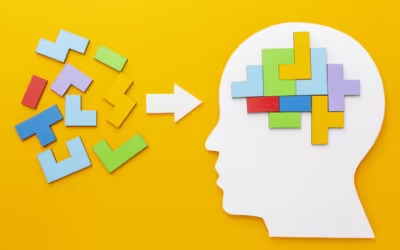
Why Integrated Treatment Better Addresses the Interconnection of Co-Occurring Disorders
When someone is living with both a mental health disorder and a substance use disorder (commonly referred to as dual diagnosis or MICA), treating these issues separately often doesn’t work. That’s because these conditions are deeply interconnected, each can influence and worsen the other. Integrated treatment offers a more effective solution by addressing both conditions at the same time.
Why integrated treatment is a better approach:
- Treats Both Conditions Together: Integrated treatment provides care for mental health and substance use disorders simultaneously, often from the same team, ensuring both issues are addressed in a coordinated way.
- Recognizes the Connection: This approach is built on the understanding that mental illness and substance use often fuel each other, and treating them together leads to better overall outcomes.
- Endorsed as Best Practice: According to the Substance Abuse and Mental Health Services Administration (SAMHSA), integrated treatment is considered the gold standard for individuals with co-occurring disorders.
- Leads to Better Outcomes: Research shows that integrated models reduce substance use, improve psychiatric symptoms, and enhance overall quality of life.
- Improves Continuity of Care: A single, unified treatment plan avoids gaps or conflicting approaches, making recovery more consistent and manageable.
By addressing the full picture, integrated treatment offers individuals with co-occurring disorders the best chance at long-term stability and healing.
How the Integrated MICA Treatment Approach Significantly Improves Recovery Outcomes
Recovery can be especially challenging for individuals facing a mental health disorder and a substance use disorder. The MICA (Mentally Ill Chemical Abuser) treatment approach was developed to meet this complex need through an integrated, person-centered model that treats both conditions at the same time.
MICA programs offer a comprehensive blend of services.
- Psychotherapy: Tailored therapeutic interventions that address both mental health challenges and substance use behaviors.
- Medication Management: Coordinated oversight to ensure that medications for mental health are effectively supporting recovery and not interacting negatively with substance use issues.
- Support Services: These may include case management, housing assistance, or vocational support, all adapted to the individual’s unique circumstances.
What makes this treatment effective is its cohesive, whole-person focus. Instead of treating mental health and substance use in silos, it integrates both into a unified plan, helping reduce relapse risk and supporting long-term recovery.
Research supports its success. Studies, including those published in the Journal of Dual Diagnosis, have found that MICA programs lead to better outcomes such as improved treatment adherence, greater psychiatric stability, reduced substance use, and higher rates of abstinence. By addressing the full scope of a person’s needs, the MICA approach offers a clearer, more sustainable path to recovery.
Unified Care in Integrated Dual Diagnosis Treatment: A Patient-Centered Approach
In treating co-occurring mental health and substance use disorders, one size does not fit all. Integrated dual diagnosis treatment embraces a patient-centered approach, focusing on the unique needs, preferences, and goals of each individual. This model prioritizes collaboration between patients and providers, creating care plans that reflect the person’s lived experiences and recovery priorities.
At the heart of this approach is active patient involvement. Individuals are encouraged to participate in shaping their treatment, from setting goals to choosing therapies that feel right for them. This sense of ownership not only empowers patients but also strengthens their commitment to the recovery process.
Research supports this model. According to the National Institute on Drug Abuse (NIDA), patient-centered care is an essential element of effective dual diagnosis treatment. When individuals are engaged in their own care, they’re more likely to stay involved, follow through with treatment, and report greater satisfaction with their recovery journey.
Building a Strong Foundation for Lasting Recovery with Integrated Treatment
Recovery is not a quick fix, it requires a strong, sustained foundation. Integrated treatment provides that foundation by addressing both conditions at the same time, recognizing how deeply connected they are. This approach equips individuals with the tools they need to manage symptoms more effectively and maintain long-term wellness.
Several core elements of integrated treatment support lasting recovery:
- Comprehensive Assessment: A thorough evaluation of both mental health and substance use issues helps shape a treatment plan that reflects the full picture of an individual’s needs.
- Coordinated Care: Providers work together toward shared goals, ensuring that all aspects of treatment are aligned and consistent.
- Continuity of Care: Recovery doesn’t end after the initial phase of treatment. Ongoing support and services help individuals stay on track and adjust to new challenges over time.
Evidence backs the success of this model. Studies, including one published in the Journal of Substance Abuse Treatment, have shown that individuals receiving integrated care experience better outcomes, such as reduced substance use and improved mental health functioning, compared to those receiving separate or non-integrated services.
By bringing all parts of treatment together into a unified, person-centered approach, integrated care helps individuals build a stronger, more stable path toward lasting recovery.
Key Takeaways
- Dual diagnosis (MICA) refers to co-occurring mental health and substance use disorders, which are deeply interconnected and difficult to treat separately.
- Integrated treatment addresses both conditions simultaneously, offering coordinated care from the same team and avoiding conflicting or fragmented approaches.
- This model is endorsed by SAMHSA as the gold standard and is supported by research showing reduced substance use, improved psychiatric stability, and higher quality of life.
- MICA programs combine psychotherapy, medication management, and support services such as housing or vocational assistance, all within a unified, whole-person plan.
- A patient-centered approach ensures that individuals actively participate in shaping their care, strengthening engagement and commitment to recovery.
- Core elements of lasting recovery include comprehensive assessment, coordinated care, and continuity of support beyond initial treatment.
- Evidence shows that integrated, patient-focused care leads to better outcomes than treating mental illness and addiction separately, providing a stronger foundation for long-term stability and healing.
Sources.
Yule, A. M., & Kelly, J. F. (2019). Integrating treatment for co-occurring mental health conditions. Alcohol Research: Current Reviews, 40(1), 07.
Substance Abuse and Mental Health Services Administration. (2020). TIP 42: Substance Use Disorder Treatment for People with Co-Occurring Disorders. U.S. Department of Health and Human Services.
Substance Abuse and Mental Health Services Administration. (2024). Managing life with co-occurring disorders
You may also like
Can HIV phobia cause HIV symptoms
Have you ever experienced physical symptoms after intense fear about your health? In the case of HIV phobia, the fear can be so powerful that it generates real symptoms, even if the body isn’t infected. In this article, we’ll dive into how intense fear might mimic HIV symptoms, and why understanding this connection is crucial for both mental and physical well-being.
TL;DR
HIV phobia is an intense, irrational fear of contracting HIV, often fueled by misinformation, stigma, or underlying anxiety disorders. This fear can cause real physical symptoms, such as fatigue, night sweats, swollen lymph nodes, and rashes, that resemble early HIV signs but are driven by anxiety rather than infection. Despite repeated negative test results, many continue to doubt their status, highlighting that the core issue is anxiety, not actual risk. Effective management involves professional support, particularly cognitive-behavioral therapy (CBT), combined with accurate HIV education to challenge irrational fears, reduce compulsive behaviors, and restore peace of mind.
Stay informed, stay prepared. Sign up for HIV/AIDS training today!

When Fear Feels Like Reality: What Is HIV Phobia?
HIV phobia, also known as HIV anxiety or AIDS phobia, is an intense and persistent fear of contracting HIV, even when the actual risk is extremely low or nonexistent. Unlike a normal concern for one’s health, this fear can become overwhelming and lead to obsessive behaviors, such as repeatedly getting tested, constantly monitoring for symptoms, or avoiding everyday situations due to fear of infection.
For example, someone with HIV phobia might avoid using public transportation out of fear that touching a handrail could lead to exposure. They may feel anxious about going to the dentist, worrying about sterilization practices, or decline invitations to social gatherings where they might share food or utensils. Even using a public restroom or shaking hands with others can trigger significant distress, despite the fact that HIV cannot be transmitted through casual contact.
This heightened fear often stems from a combination of misinformation about how HIV is transmitted, societal stigma surrounding the illness, and underlying anxiety disorders. While education and awareness about HIV prevention are important, it’s just as essential to recognize when fear becomes disproportionate to reality. HIV phobia can deeply affect a person’s daily life and emotional well-being, and when it reaches this level, it signals a deeper mental health concern that deserves compassionate attention and support.
Anxiety Can Create Real Physical Symptoms
One of the most difficult parts of living with HIV phobia is that anxiety can cause real physical symptoms, often ones that closely resemble early signs of HIV infection. Recognizing this overlap is key to breaking the cycle of fear and seeking the right kind of support.
| Symptoms | Caused by Anxiety | Typical in Early HIV |
| Fatigue | Constant worry and stress drain the body’s energy, leading to persistent tiredness. | Fatigue is common, especially in the early stages of HIV infection. |
| Night Sweats | Anxiety can disrupt the body’s temperature control, causing excessive sweating at night. | Can occur in HIV, often linked to fever or immune system changes. |
| Swollen Lymph Nodes | Stress-related inflammation may cause lymph nodes to feel tender or enlarged. | A common early symptom as the body reacts to the virus. |
| Rashes | Anxiety and stress can trigger skin reactions like rashes, itching, or irritation. | Rashes may occur, often appearing as flat or raised red areas on the body. |
These symptoms, while real and uncomfortable, are often driven by the body’s heightened “fight or flight” response, not by an actual infection. Comprehending this is an essential step toward calming health fears and finding the right support.
Why HIV Tests Don’t Always Relieve the Fear
For many individuals experiencing this phobia, receiving a negative HIV test result doesn’t bring the peace of mind they hope for. Instead, lingering doubts creep in, questions like whether the test was taken too early, if there was a testing error, or if another test is needed.
This ongoing uncertainty shows that the real issue is not the actual risk of exposure but the underlying anxiety driving the fear. Many people fall into a pattern of “testing reassurance,” where they seek repeated negative test results to calm their worries, only to find that the fear quickly returns.
When persistent fear remains despite multiple negative tests, it can suggest the presence of a deeper anxiety disorder, such as obsessive-compulsive disorder (OCD). In these cases, intrusive thoughts and compulsive behaviors take over, making true relief impossible without addressing the root cause, the anxiety itself. Until that deeper issue is treated, no amount of testing will fully resolve the fear.
Finding Peace of Mind Through Professional Counseling
Managing HIV phobia often requires more than just reassurance from repeated medical tests; it usually calls for professional mental health support. Psychotherapy, especially cognitive-behavioral therapy (CBT), has proven effective in helping individuals reframe irrational fears, challenge catastrophic thinking, and gradually reduce avoidance behaviors that keep anxiety alive.
Therapy also plays a crucial role in providing accurate education about HIV transmission risks, helping to correct any misinformation that may be fueling excessive fear. Some therapists may incorporate exposure and response prevention (ERP) techniques, gently guiding individuals to face their anxiety triggers without falling into compulsive behaviors like constant testing.
Getting past the fear of HIV often requires more than a negative test result. It takes clear education and the right psychological support. One of the most powerful tools for managing this fear is fact-based education. Learning how HIV is actually transmitted, understanding the real risks, and knowing how to protect yourself effectively can go a long way in easing anxiety.
🔍 At LSA Recovery, we offer HIV/AIDS education programs designed to:
- Give you clear, up-to-date information
- Debunk common myths that fuel fear
- Encourage safe, empowered decision-making
If your fear is already impacting your daily life, we can also guide you on how to access professional help, including cognitive behavioral therapy (CBT) and treatment for anxiety or OCD.
Key Takeaways
- HIV phobia (HIV anxiety or AIDS phobia) is an intense, irrational fear of contracting HIV, often leading to obsessive behaviors such as repeated testing, symptom-checking, and avoidance of everyday activities.
- This fear usually stems from misinformation, stigma, and underlying anxiety disorders, and can significantly disrupt daily life and emotional well-being.
- Anxiety caused by HIV phobia can create real physical symptoms, like fatigue, night sweats, swollen lymph nodes, and rashes, that resemble early HIV symptoms but are not caused by infection.
- Negative HIV tests often fail to ease the fear, leading to a cycle of “testing reassurance” where individuals seek repeated confirmation but remain anxious, sometimes indicating deeper anxiety disorders such as OCD.
- Professional counseling, especially cognitive-behavioral therapy (CBT) and exposure and response prevention (ERP), can help reframe irrational fears, reduce compulsive behaviors, and address underlying anxiety.
- Accurate education about HIV transmission and prevention is crucial to correct misconceptions, reduce fear, and promote healthier, more empowered decision-making.
- Support programs and therapy provide pathways to lasting relief, focusing on both psychological support and fact-based understanding of real HIV risks.
Sources.
Verma, G. K., Sharma, D. D., Sharma, R. C., Kumar, S., Tegta, G. R., & Negi, A. K. (2016). HIV/AIDS phobia leading to schizophrenia like psychosis in a benign cutaneous condition: pearly penile papules. Int J Health Sci Res, 6, 356-9.
Kulkarni, B., Rane, M. R., & Pawar, M. S. (2020). Anxiety as a causal factor in the development of phobias. The International Journal of Indian Psychology, 8(1).
O’Cleirigh, C., Hart, T. A., & James, C. A. (2008). HIV and anxiety. Anxiety in health behaviors and physical illness, 317-340.
You may also like
What Is a DWI Education Class?
Getting a DWI can feel like the end of the road, but what if it’s actually the beginning of something better? A DWI education class is more than just a legal requirement; it’s a chance to reflect, learn, and take back control. But what really happens in these classes, and why do they matter more than you might think?
TL;DR
A DWI education class is a court- or state-mandated program designed to prevent repeat offenses by raising awareness of the risks, consequences, and responsibilities related to impaired driving. Typically required after a first-time DWI/DUI conviction or for license reinstatement, these classes cover topics such as the effects of alcohol and drugs, legal and social consequences, personal accountability, safe alternatives, and substance abuse awareness. Courses use interactive tools to encourage lasting behavioral change, offering benefits like reduced penalties, improved decision-making, and access to support. Enrollment involves selecting an approved provider, registering, attending all sessions, completing assessments, and obtaining a certificate of completion, often available through in-person, virtual, or hybrid formats.
Complete your requirement. Enroll in a certified DWI education class today! 🚗📚

What is a DWI Education Class and Who Needs to Take One?
A DWI (Driving While Intoxicated) education class is a structured program required by the court or state to help individuals understand the risks and consequences of impaired driving. These classes aim to prevent repeat offenses by increasing awareness and promoting safer decision-making behind the wheel. While the focus is on education, the broader goal is to encourage meaningful behavioral change that reduces future violations.
Most commonly, these classes are mandated for individuals convicted of a first-time DWI or DUI (Driving Under the Influence) offense. Nevertheless, in some states, repeat offenders may be required to complete longer or more intensive versions of the program.
Participation may also be a condition for reinstating a suspended license, reducing court fines, or fulfilling other sentencing requirements. In such cases, the court, DMV, or a probation officer typically outlines the specific terms. Whether it’s a first offense or part of a broader legal process, a DWI education class serves as a main step toward accountability and safer driving habits.
What Does the DWI Education Class Cover?
DWI education classes are built around a standardized curriculum designed to inform, engage, and inspire change. The purpose is to increase awareness of how impaired driving impacts not only the individual but also the wider community. While specific content may vary slightly by state, most classes cover a core set of important topics.
The Effects of Alcohol and Drugs on Driving Ability
Participants learn how substances affect the brain and body, specifically judgment, coordination, motor skills, and reaction time. Comprehending these effects is essential to recognizing the dangers of driving under the influence.
Legal Consequences
Classes outline local DWI laws, court procedures, and potential penalties. This includes fines, license suspension, and the long-term impact of a DWI conviction on one’s criminal record.
Social and Economic Consequences
Beyond the courtroom, impaired driving can disrupt daily life. Topics include how a DWI can affect employment, strain relationships, raise insurance rates, and create financial burdens.
Personal Responsibility
This section encourages self-reflection and accountability. Participants are guided to examine their choices, recognize personal triggers, and consider how their decisions affect others.
Alternatives to Impaired Driving
The program promotes safe choices like using a designated driver, calling a rideshare, or using public transportation to avoid getting behind the wheel while impaired.
Substance Abuse Awareness
Participants explore the signs of dependency and learn about available treatment or support resources, helping those who may be struggling take the first steps toward help.
Classes often include interactive elements such as group discussions, educational videos, worksheets, and personal stories from people impacted by impaired driving. These components aim to make the material more relatable and impactful, encouraging real and lasting change.
Benefits of Completing a DWI Education Class
While a DWI education class is often required by law, the benefits of completing it go far beyond checking a box. For many individuals, it becomes a turning point, offering both practical advantages and personal growth.
License Reinstatement: In many jurisdictions, finishing a DWI education class is a necessary step toward regaining driving privileges after a suspension or revocation.
Reduced Penalties: Courts may view successful participation as a sign of rehabilitation. This can lead to reduced fines, shorter probation periods, or even avoiding jail time, depending on the case.
Prevention of Future Offenses: Education can have a lasting impact. By increasing awareness and encouraging self-reflection, these programs help individuals recognize and avoid the behaviors that led to their offense in the first place.
Improved Decision-Making: Participants gain practical tools to manage high-risk situations and make safer choices. These strategies can support lasting behavioral change well beyond the class itself.
Access to Support: For those facing deeper challenges with alcohol or drug use, the class can serve as an entry point to additional support, such as substance abuse treatment or peer support networks.
How to Enroll in a DWI Education Class
Enrolling in a DWI education class usually begins with a requirement from the court or your state’s Department of Motor Vehicles (DMV). Once you’ve received that directive, the following steps will guide you through the process:
- Determine Eligibility and Requirements
Start by confirming that you’re required to take a DWI education class and understand which specific program is accepted in your jurisdiction. This information is typically outlined in court documents or provided by a probation officer or DMV representative. - Choose an Approved Provider
Select a program that is approved by the court or state. You can often find a list of approved providers through your local court, DMV, or probation office to ensure the class meets all legal requirements. - Register and Pay Fees
To enroll, you’ll need to provide necessary documentation, such as your court paperwork and driver’s license, and pay the enrollment fee. Fees and registration processes vary, so follow the instructions provided by your chosen provider. - Attend All Sessions
Most DWI education classes have strict attendance policies. Courses typically require between 8 to 32 hours of instruction, depending on the nature and severity of your offense. Missing sessions can delay completion or result in penalties. - Complete Any Assessments
You may need to complete a pre-course or post-course assessment. These evaluations help measure your understanding and may also identify whether further treatment or support is needed. - Receive a Certificate of Completion
Once you’ve met all the requirements, you’ll receive a certificate of completion. This document is essential for proving to the court or DMV that you have fulfilled your obligation.
Many states now offer virtual or hybrid class options, which can help accommodate busy schedules and transportation challenges, making it easier to stay on track and meet your responsibilities.
Key Takeaways
- A DWI education class is a court- or state-mandated program designed to increase awareness of impaired driving risks, prevent repeat offenses, and encourage safer decision-making.
- These classes are typically required for first-time DWI/DUI offenders, but repeat offenders may face longer or more intensive versions. They may also be required for license reinstatement or to reduce legal penalties.
- Core topics include the effects of alcohol and drugs on driving, legal consequences, social and financial impacts, personal responsibility, safe alternatives to driving impaired, and substance abuse awareness.
- Classes often use interactive tools like group discussions, videos, worksheets, and personal stories to make lessons more engaging and impactful.
- Benefits include potential license reinstatement, reduced court penalties, prevention of future offenses, improved decision-making, and access to support resources for substance use challenges.
- Enrollment requires confirming eligibility, selecting an approved provider, registering with documentation and fees, attending all required sessions (8–32 hours), completing assessments, and obtaining a certificate of completion.
- Many states now offer virtual or hybrid class options to provide flexibility and accessibility for participants.
Sources.
Eddy, J. (1976). A DWI Educational Program. Journal of Drug Education, 6(2), 137-140.
Frisbie, J. D. (1994). Efficacy of interventions with DWI offenders: attitudes, behaviors and implications for treatment. The University of Texas at Arlington.
You may also like
The Role of Active Listening in Healing Family Conflict
Family tensions can simmer for years, often fueled by misunderstandings that never get resolved. But what if the key to healing isn’t talking more, but listening differently? In this article, we’ll uncover how active listening, a surprisingly overlooked skill, can shift even the most strained relationships. One simple shift could change everything… but most people miss it.
TL;DR
Family conflicts often escalate from poor communication and unmet emotional needs, but active listening, being fully present, withholding judgment, and reflecting feelings, can defuse tension and rebuild trust. Practiced well, it lowers defensiveness, validates experiences without requiring agreement, surfaces deeper needs beneath complaints, and fosters a more empathetic home climate. Concrete behaviors include eye contact, non-interrupting attention, and reflective statements (e.g., “It sounds like you felt left out…”). Family counseling can accelerate these skills through tools like role-playing, mirroring, and “I” statements, with approaches (e.g., Structural Family Therapy, Satir Model) that reshape dynamics; even a few sessions can shift families from recurring arguments to constructive connection.
Reconnect as a family. Book expert counseling in Brooklyn with a focus on active listening! 🤝🧠

Why Family Conflicts Often Escalate
Family conflicts often start with small misunderstandings or unmet expectations, but they can quickly grow more intense due to emotional closeness and personal history. When someone feels misunderstood or invalidated by a loved one, emotions tend to escalate faster and more intensely than in other types of relationships.
Poor communication is a major driver. Interrupting, making assumptions, using blame, or emotionally shutting down can lead to repeated arguments where no one feels truly heard. These patterns create frustration and distance, making resolution difficult. Research highlights communication issues as one of the top reasons families seek therapy.
Unspoken emotional needs also play a role. When people don’t feel respected, appreciated, or supported, resentment builds, especially if these needs are never clearly expressed. Stress from outside the home, like financial or health challenges, can worsen reactions. Add past wounds into the mix, and conflicts can easily spiral into long-term patterns of defensiveness and blame.
What Active Listening Looks Like in Real Life
Active listening is more than just hearing words, it means being fully present and engaged with the person speaking. In everyday situations, this shows up through eye contact, nodding, empathetic facial expressions, and verbal responses like “I see” or “Tell me more.” It also requires holding back the urge to interrupt, offer quick fixes, or judge what’s being said.
In a real-life family conversation, especially a tense one, active listening involves focusing on both the words and the emotions behind them. A listener might reflect back what they’ve heard with phrases like, “It sounds like you felt left out when we made that decision without you.” This kind of response helps the other person feel understood, which can ease defensiveness and make space for more open, honest dialogue.
By offering this kind of genuine attention, active listeners help build trust and reduce emotional distance, especially in relationships where hurt or tension already exists. Creating that sense of safety allows difficult feelings to surface without fear of judgment, which is a powerful step toward resolution.
How Active Listening Can Shift the Entire Conversation
Active listening has the power to completely change the direction of a difficult conversation. When someone feels genuinely heard, their emotional intensity often decreases, creating space for comprehension and collaboration. In families, this can be a turning point, breaking the cycle of blame, defensiveness, and repeated misunderstandings.
- Reduces Emotional Defensiveness
When a person feels acknowledged, they’re less likely to stay stuck in anger or frustration. Active listening helps de-escalate tension and makes room for more constructive dialogue. - Validates Without Agreeing
Reflecting back what someone says, without judgment, lets them know their experience is valid. This doesn’t mean agreement, but it signals respect and builds trust. - Reveals What’s Beneath the Surface
Often, complaints are just the surface layer. Active listening helps uncover deeper emotional needs, like a desire for independence or support, that might otherwise go unnoticed. - Creates Opportunity for Real Connection
By staying present and open, active listening encourages meaningful emotional expression. This allows for healing conversations rather than repeated arguments. - Builds a More Empathetic Home Culture
Over time, active listening can shift family interactions toward empathy, understanding, and lasting change, helping everyone feel more seen and supported.
Getting Help: Family Counseling That Supports Real Communication
While it is a powerful skill, using it consistently, especially in the middle of heated conflicts, is not always easy. This is where family counseling can make a meaningful difference. A trained therapist offers a neutral space where each person feels heard and respected, while guiding the family toward more effective ways of communicating.
In therapy, harmful patterns like interrupting, yelling, or shutting down are gently identified and replaced with healthier habits. Counselors often use practical tools such as role-playing, mirroring, and “I” statements to help family members express themselves with empathy and clarity. These techniques make space for deeper comprehension and reduce the emotional intensity that often derails conversations.
Some therapy approaches, like Structural Family Therapy and the Satir Model, focus specifically on reshaping communication dynamics. Rather than aiming for a conflict-free family, the goal is to equip everyone with tools to handle disagreements in a constructive, respectful way.
Family counseling can be especially valuable for those facing ongoing conflict, mental health struggles, or major life changes such as divorce or illness. Even a few sessions can spark powerful shifts in how family members relate to each other, moving from frustration to connection.
Key Takeaways
- Family conflict often escalates due to poor communication (interrupting, blaming, shutting down), unmet emotional needs, outside stressors, and past wounds amplified by close relationships.
- Active listening means full presence and nonjudgment, maintaining eye contact, not interrupting, and reflecting feelings (e.g., “It sounds like you felt left out…”).
- Practiced well, active listening reduces defensiveness, de-escalates tension, and creates space for constructive dialogue.
- It validates experiences without implying agreement, building trust and psychological safety.
- It helps reveal deeper needs beneath complaints (e.g., desire for support or autonomy), enabling more effective problem-solving.
- Over time, consistent active listening fosters an empathetic family culture and more meaningful connections.
- Family counseling strengthens these skills through a neutral setting and tools like role-playing, mirroring, and “I” statements; models such as Structural Family Therapy and the Satir Model target communication patterns.
- Therapy is especially helpful during ongoing conflict, mental health challenges, or major life changes; even a few sessions can shift families from repeated arguments to constructive connection.
Sources.
Bitter, J. R. (2014). Theory and practice of family therapy and counseling. Brooks/Cole.
Rober, P. The complexity of listening in family therapy practice.
You may also like
How to Handle Family Conflict: Strategies for Peaceful Resolutions
Tense conversations, silent treatments, and lingering resentment, family conflict can quietly erode even the strongest relationships. But what if the key to lasting peace isn’t avoiding conflict, but handling it differently? Whether you’re dealing with daily disagreements or deep-rooted issues, the right approach can make all the difference. Here’s how to transform tension into understanding, without anyone feeling like they’ve lost.
Work through challenges together. Contact a trusted family therapist in Brooklyn, NY!

Proven Strategies for Effectively Handling Family Conflict
Family conflict is an inevitable part of life. Differences in personalities, values, or expectations often lead to tension, but the real challenge lies in how we respond to these moments. When handled poorly, conflict can create lasting damage. When approached with care, it can actually strengthen relationships and lead to deeper understanding.
The goal of effective conflict resolution isn’t to eliminate disagreement altogether, but to manage it constructively. This means creating space for open, respectful communication where all parties feel heard. Responding with patience, rather than reacting impulsively, helps prevent minor issues from escalating into larger problems.
It’s also important to recognize common pitfalls, like making assumptions, placing blame, or shutting down conversations, that can hinder resolution. Learning to navigate conflict with empathy, active listening, and a willingness to find common ground can turn difficult moments into opportunities for connection and growth.
Resolving Family Conflicts Without Damaging Relationships
One of the most difficult aspects of family conflict is finding a resolution without harming the relationship. The focus should not be on “winning” the argument, but on comprehending each other and reaching a solution that respects everyone’s needs. A relationship-centered approach promotes long-term harmony and emotional safety within the family.
- Active Listening
Many conflicts escalate simply because people don’t feel heard. Practicing active listening, repeating back or summarizing what the other person has said to show you understand, can reduce tension and encourage empathy. This helps everyone feel valued and more willing to find common ground. - Use of “I” Statements
Blame often leads to defensiveness. Instead, speak from your own perspective using “I” statements such as “I feel hurt when…” to express your emotions without attacking. This invites more open, honest dialogue and reduces the chance of further conflict. - Stay Present and Respectful
It’s important to stay focused on the current issue and avoid bringing up unrelated past grievances. Keeping the conversation respectful, even during emotional moments, helps prevent damage to the relationship and keeps communication productive. - Timing and Space
If emotions run too high, taking a short break can be helpful. Stepping away to calm down gives everyone space to think clearly and return to the conversation in a better mindset.
By consistently applying these techniques, families can turn moments of tension into opportunities for growth, building stronger, more resilient bonds over time.
Effective Conflict Resolution Techniques to Strengthen Family Bonds
Family conflict, while often stressful, can actually become a chance to grow closer when approached thoughtfully. One essential technique is collaborative problem-solving, where all parties work together to find a solution that meets everyone’s core needs. This might involve open discussion, brainstorming, and a willingness to compromise, ensuring each person feels heard and valued.
Another important strategy is setting clear boundaries and rules for how conflict is handled. Guidelines like no interrupting, no name-calling, and taking turns speaking help keep conversations respectful and productive. These rules create a sense of structure, making it easier to manage disagreements without them becoming harmful.
Regular family meetings can also play a crucial role. By providing a safe and consistent space to talk through concerns, these meetings promote open communication and prevent issues from building up over time. They encourage a team mindset and support the development of healthy communication habits.
Finally, focusing on shared goals, such as maintaining mutual respect or creating a peaceful home, can help unify family members during tough conversations. When parents or elders model respectful behavior and healthy conflict resolution, they also teach younger members how to navigate disagreements in a constructive way. Together, these techniques help families build stronger, more resilient relationships.
Mistakes to Avoid When Handling Family Conflict
When it comes to family conflict, knowing what not to do is just as crucial as applying the right techniques. Certain missteps can unintentionally escalate tension and create deeper divides within the family, making resolution more difficult. One common mistake is avoiding the issue altogether. While it may seem easier to ignore the problem, unspoken frustrations often build up and resurface more intensely later on. Addressing concerns directly, yet respectfully, can prevent long-term resentment.
Another pitfall is blaming or shaming. Using guilt or pointing fingers tends to shut down communication and erode trust. Instead, focus on expressing your own feelings and needs without placing the other person on the defensive. Overgeneralizing with statements like “you always” or “you never” can also escalate conflict unnecessarily. These phrases are rarely accurate and can make others feel unfairly criticized. It’s more effective to point to specific actions or incidents that are bothering you.
Lastly, involving outsiders too soon or letting emotions take control can damage relationships. While seeking help is sometimes necessary, doing so prematurely may make others feel betrayed. Likewise, allowing anger to turn into yelling or hostility can overshadow the core issue and make it harder to move forward. By avoiding these mistakes, families can handle conflict in a way that supports understanding, trust, and stronger bonds.
Sources.
Aye, E. N., Akaneme, I. N., Adimora, E. D., Offorka, T. O., Robinson, A., Nwosu, P. O., & Ngozi, F. (2016). Family conflict and managing strategies: implication for understanding emotion and power struggles. Global Journal of Psychology Research: New Trends and Issues, 6(3), 148-159.
Berrett, R. D. (1979). Conflict resolution: Helping families find peace. Issues in Religion and Psychotherapy, 5(3), 3.