Why is Rehabilitation Better Than Punishment?
Why is rehabilitation considered better than punishment? This question highlights a major shift in how justice systems and societies respond to crime. Rather than focusing solely on retribution, rehabilitation emphasizes transformation, reintegration, and long-term safety. Below, we explore why rehabilitation is often seen as a more effective and humane approach than punishment.
TL;DR
Rehabilitation is considered better than punishment because it reforms individuals, tackles root causes of crime, and reduces reoffending. It enhances public safety, lowers costs compared to long-term incarceration, and provides a humane, evidence-based alternative. While it requires resources and commitment, rehabilitation supports reintegration and builds stronger communities, making it more effective than punishment alone.
Unlock Criminal Justice Counseling Solutions Today!

Rehabilitation vs Punishment
- Rehabilitation: Focuses on helping individuals reform and reintegrate into society.
- Punishment: Emphasizes retribution or deterrence, often through penalties like incarceration.
This difference sets the foundation for why rehabilitation is increasingly prioritized.
Advantages of Rehabilitation over Punishment
Rehabilitation represents a shift from retribution to transformation. Instead of focusing on penalties alone, it emphasizes helping individuals change their behavior and reintegrate into society. The benefits extend not only to offenders but also to communities and the justice system as a whole.
1. Promoting Long-Term Behavioral Change
Rehabilitation targets the root causes of criminal behavior, offering tools and support for genuine transformation. Instead of merely serving time, individuals work toward reshaping their futures.
2. Reducing Recidivism Rates
Evidence shows rehabilitation programs are more effective at lowering reoffending than punitive measures. By tackling underlying problems, rehabilitation reduces the likelihood of repeat offenses and contributes to safer communities.
3. Economic Benefits
Sustaining prisons is costly. Redirecting resources toward rehabilitation programs not only helps individuals rebuild their lives but also reduces the long-term financial burden on justice systems and taxpayers.
4. Enhancing Public Safety
Rehabilitation encourages reintegration, helping individuals return as constructive members of society. This focus strengthens public safety and fosters stronger, more cohesive communities.
Rehabilitation in Modern Justice Systems
As justice systems evolve, rehabilitation has become a central focus. Supported by evidence and long-term results, it is increasingly seen as a more effective way to reduce crime, improve outcomes for offenders, and strengthen community safety.
1. A More Humane Approach
Rehabilitation acknowledges that many offenders face significant life challenges. By offering a chance at reform, it reflects a more humane and just way of addressing crime.
2. Addressing Underlying Issues
Mental health problems, substance abuse, and trauma are common among offenders. Rehabilitation provides treatment and support in these areas, making it more effective than punishment alone.
3. Evidence-Based Practice
Modern justice systems increasingly adopt rehabilitation because research shows it reduces recidivism and improves long-term outcomes for both individuals and society.
Challenges of Implementing Rehabilitation
While rehabilitation offers clear benefits, it requires resources, trained professionals, and societal willingness to move away from punitive traditions. These challenges highlight the need for ongoing commitment and investment.
A Call for a Balanced Approach
Rehabilitation is more effective, humane, and economically sound than punishment. However, in practice, a balanced model that combines elements of both may provide the most just and effective outcomes.
Key Takeaways
- Definitions: Rehabilitation = reform and reintegration; Punishment = retribution or deterrence.
- Long-Term Change: Rehabilitation addresses root causes for lasting behavioral transformation.
- Reduced Recidivism: More effective at preventing repeat offenses.
- Economic Benefits: Lower long-term costs compared to incarceration.
- Public Safety: Reintegration enhances community stability.
- Humane Approach: Acknowledges offenders’ struggles with trauma, addiction, or mental health.
- Evidence-Based: Supported by modern justice systems and research.
- Challenges: Requires resources and a shift in mindset.
- Balanced Model: A mix of rehabilitation and punishment may yield the best outcomes.
You may also like
What To Expect From a Drug Abuse Evaluation
Taking the first step towards recovery from substance abuse can be daunting. The unknown nature of a drug abuse evaluation can add to the anxiety and apprehension individuals may feel.
However, understanding what to expect during this process can empower you to approach it with confidence and clarity. This article delves into the world of drug abuse evaluations, providing a roadmap for what you can expect from this crucial step on the road to healing.
TL;DR
A drug abuse evaluation is a confidential, structured assessment conducted by healthcare professionals to determine the presence and severity of substance use disorders and any co-occurring mental health issues. It involves intake forms, interviews, questionnaires, physical exams, and lab tests to gather a full picture of the individual’s situation. Findings are then discussed, and a personalized treatment plan, ranging from inpatient or outpatient care to therapy or medication, is created. Follow-up care ensures ongoing support and adjustments, making the evaluation a crucial first step toward recovery and long-term well-being.
Get Started: Addiction Assessments Available Now!

Introduction to Drug Abuse Evaluations
A drug abuse evaluation is a thorough assessment aimed at identifying the presence and severity of substance abuse disorders. Conducted by qualified healthcare professionals, these evaluations gather crucial information about an individual’s substance use patterns and its impact on their life, including any co-occurring mental health conditions. This data forms the foundation for creating personalized treatment plans.
Preparation and Initial Assessment
Before the evaluation, expect to complete intake forms and questionnaires detailing your substance use history and overall health. The process typically begins with a structured interview, delving into your drug and alcohol use, recent experiences, and the effects on various aspects of your life, such as work and relationships.
Assessment Tools and Methods
During the evaluation, various tools and methods are employed:
- Standardized Questionnaires: Assess the severity of substance abuse symptoms and potential mental health issues.
- Clinical Interviews: Explore personal experiences with substance abuse and underlying triggers.
- Physical Examinations: Evaluate overall health and detect any medical complications.
- Laboratory Testing: Confirm recent substance use or identify related health concerns.
Confidentiality is paramount throughout the evaluation process, ensuring your privacy and trust are respected.
Discussion of Findings and Recommendations
Following the assessment, the evaluator will discuss their findings, including the severity of your substance abuse disorder and any co-occurring conditions. Together, you’ll explore treatment options and develop a personalized plan for recovery. Don’t hesitate to ask questions and seek clarification on your diagnosis and treatment recommendations.
Next Steps and Follow-Up Care
After the evaluation, you may be referred to an appropriate treatment program tailored to your needs. This could include inpatient or outpatient treatment, therapy, counseling, or medication-assisted treatment. Follow-up appointments may be scheduled to monitor progress and adjust the treatment plan accordingly.
Remember, a drug abuse evaluation is not a judgment but a pivotal step towards healing and building a healthier future. Embrace this process as a testament to your commitment to well-being and recovery.
Key Takeaways
- Purpose: A drug abuse evaluation assesses the presence and severity of substance use disorders and identifies any co-occurring mental health conditions to create a personalized treatment plan.
- Preparation: The process begins with intake forms and structured interviews about substance use history, health, and its effects on daily life.
- Methods Used: Evaluations may include questionnaires, clinical interviews, physical exams, and lab tests to confirm substance use and check overall health.
- Confidentiality: Privacy is strictly maintained to ensure trust and comfort.
- Findings & Recommendations: Results are shared with the individual, followed by a discussion of treatment options and a recovery plan.
- Next Steps: Referrals may include inpatient or outpatient programs, therapy, counseling, or medication-assisted treatment, with follow-up care to track progress.
- Key Message: The evaluation is not about judgment but a vital first step toward recovery and long-term well-being.
You may also like
Why is buprenorphine and naloxone given together?
Have you ever wondered why doctors prescribe buprenorphine and naloxone together? This combination might seem puzzling, but it holds significant importance in addiction treatment. Let’s dive into the ‘why’ behind this medical strategy!
TL;DR
Buprenorphine and naloxone are prescribed together to treat opioid use disorder effectively and safely. Buprenorphine, a partial opioid agonist, eases withdrawal symptoms and cravings while reducing overdose risk through its ceiling effect. Naloxone, an opioid antagonist, remains inactive when taken orally but triggers withdrawal if injected, deterring misuse. Combined, they provide symptom relief, lower dependency risks, enhance safety, and reduce overdose potential. This treatment must be supervised by healthcare professionals and paired with counseling for the best recovery outcomes.
Naloxone Training: Save Lives, Get Certified Today!
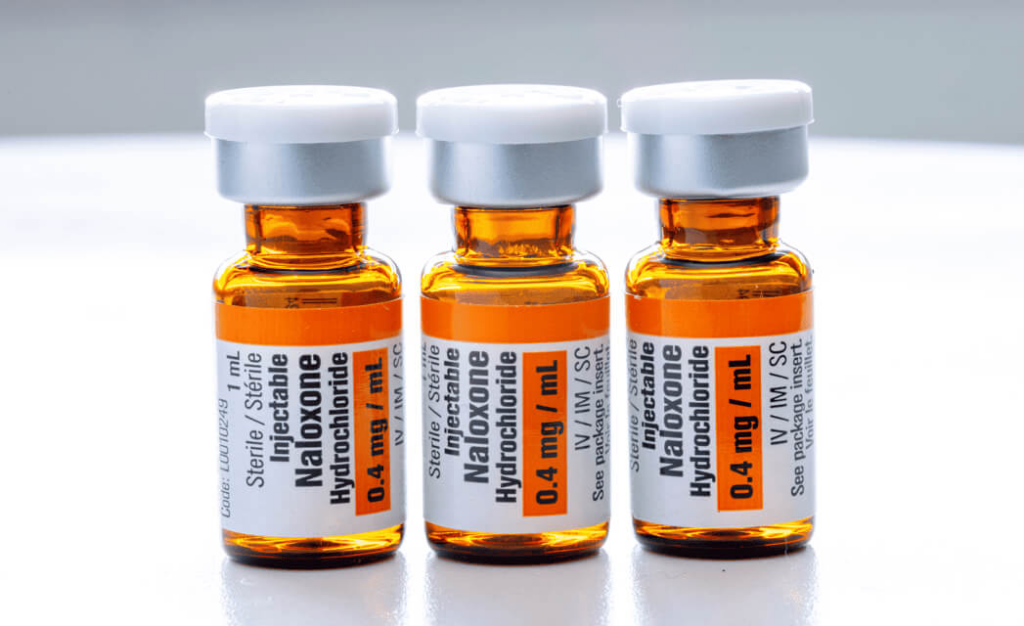
Why is buprenorphine and naloxone given together?
The combination of buprenorphine and naloxone is a widely used and effective treatment for opioid use disorder. This dual approach serves several important purposes in treating OUD:
1. Buprenorphine: Providing Partial Opioid Agonism
- Activation of Opioid Receptors: Buprenorphine is a partial opioid agonist, meaning it activates the brain’s opioid receptors but to a much lesser extent than full agonists like heroin or morphine.
- Relief from Withdrawal and Cravings: By partially activating these receptors, buprenorphine can reduce withdrawal symptoms and cravings associated with opioid dependence.
- Safety Profile: The partial agonism means that it has a ceiling effect on opioid effects, significantly reducing the risk of intoxication and overdose compared to full agonists.
2. Naloxone: Deterrent Against Misuse
- Blocking Opioid Effects: Naloxone is a full opioid antagonist. When combined with buprenorphine and taken orally, naloxone has minimal effect because of poor oral absorption.
- Preventing Misuse: If the combination is injected, naloxone becomes highly active and can precipitate immediate withdrawal symptoms by displacing opioids from their receptors. This acts as a powerful deterrent against the misuse of the medication.
Why Combine Buprenorphine and Naloxone?
The heart of our topic: why are these medications given together? Here, we discuss how their combination creates a synergistic effect in treating opioid dependence.
- Reduced Opioid Dependency: The combination can lower the amount of opioids needed for effective maintenance therapy, reducing the potential for side effects.
- Enhanced Safety: Including naloxone in the combination provides a safety net, significantly reducing the risk of overdose.
- Peace of Mind: For both patients and clinicians, the presence of naloxone offers an additional layer of safety and reassurance.
Summary of Key Advantages
| Feature | Buprenorphine | Naloxone | Buprenorphine + Naloxone |
|---|---|---|---|
| Type of Opioid | Partial Agonist | Full Antagonist | Combination |
| Primary Effect | Activates receptors with reduced effect; alleviates withdrawal symptoms | Blocks opioid effects | Combines relief from withdrawal with reduced misuse risk |
| Absorption (Oral) | High | Low | High for buprenorphine, low for naloxone |
| Misuse Deterrent | No | Yes | Yes, due to naloxone’s activation when injected |
| Overdose Risk | Lower compared to full agonists but present | None | Further reduced due to naloxone |
Clinical Supervision and Customization
- Professional Oversight: It’s imperative that this combination therapy is prescribed and monitored by healthcare professionals experienced in OUD treatment.
- Tailored Treatment: They can adjust the dosage and duration of treatment based on individual patient needs and monitor for any side effects or complications.
The buprenorphine and naloxone combination represents a synergistic approach to OUD treatment, effectively addressing the challenges of withdrawal, cravings, and the potential for misuse. This therapy should always be part of a comprehensive treatment plan that includes counseling and support for the best outcomes in opioid addiction recovery.
Here is a summary of the roles of buprenorphine and naloxone in the treatment of OUD:
Buprenorphine:
Relieves withdrawal symptoms and cravings.
Reduces the risk of intoxication or overdose.
Naloxone:
Discourages misuse and detour.
May reverse the effects of opioids in case of overdose
Key Takeaways
- Purpose of Combination: Buprenorphine and naloxone are prescribed together to treat opioid use disorder (OUD) effectively and safely.
- Buprenorphine’s Role:
- Acts as a partial opioid agonist, activating receptors at a lower level than full opioids.
- Relieves withdrawal symptoms and cravings.
- Has a “ceiling effect,” lowering the risk of intoxication and overdose.
- Naloxone’s Role:
- Functions as an opioid antagonist, blocking opioid effects.
- Minimal effect when taken orally but triggers withdrawal if injected, deterring misuse.
- Can reverse opioid effects in cases of overdose.
- Benefits of Combination:
- Reduces dependency and side effects.
- Enhances safety by lowering overdose risk.
- Provides reassurance for patients and clinicians through built-in misuse prevention.
- Clinical Oversight: Therapy must be supervised by professionals, with treatment plans tailored to individual needs and supported by counseling.
- Overall Impact: The buprenorphine-naloxone combination addresses withdrawal, cravings, misuse prevention, and overdose risk, making it a key component of comprehensive OUD recovery.
What is ACS Preventive Services?
How can a proactive approach redefine health and well-being? ACS preventive services provide a transformative framework designed to strengthen families, protect children, and promote stability. But what exactly do these services involve, and why are they so important? This article explores their purpose, benefits, and impact on families and communities.
TL;DR
ACS preventive services are free, voluntary programs that strengthen families, prevent foster care placement, and promote child safety and stability through early intervention. They support families dealing with challenges such as mental health, substance abuse, domestic violence, medical needs, and youth exploitation. Services are personalized through assessments, therapy, parenting classes, and family conferences, and they are delivered in partnership with community-based agencies. By addressing problems before they escalate, ACS preventive services keep families together, reduce abuse and neglect, and build stronger communities.
Explore Children’s Services Administration Solutions Today!

ACS Preventive Services
ACS Preventive Services: A Proactive Approach
ACS preventive services are designed to help families avoid crises that could lead to child welfare involvement. The goal is to promote safety, stability, and well-being for children and families within their homes and communities.
Instead of stepping in after harm occurs, these services provide early support to address challenges before they grow. This proactive approach empowers families to create safe and nurturing environments where children can thrive.
Key Benefits
Family Strengthening
Helping families improve communication, resolve conflicts, and build resilience together.
Foster Care Prevention
Reducing the likelihood of children entering foster care by stabilizing families in their own homes.
Promoting Stability
Supporting safe reunification for children in foster care and reducing the chances of reentry.
Free and Voluntary Support
Accessible at no cost, regardless of immigration status, and available without requiring an ACS investigation
Who Can Access These Services?
ACS preventive services are available to a wide range of families, including:
- Families with children, youth, or young adults.
- Pregnant women and teenage parents.
- Families managing mental health challenges or domestic violence.
- Parents and youth in recovery from addictions.
- Children and youth who have experienced sexual exploitation.
- Families with special medical needs.
This inclusivity reflects a commitment to supporting families in diverse circumstances.
Areas of Focus
Preventive services address multiple challenges that can affect family well-being:
- Mental Health: Counseling and therapy for stress, anxiety, or other concerns.
- Substance Abuse: Programs for individuals overcoming addiction.
- Domestic Violence: Resources and counseling for affected families.
- Exploited Youth: Specialized protection and support.
- Special Medical Needs: Assistance with in-home care and access to services.
Each focus area is tailored to strengthen families and reduce risks to children.
Community-Based Approach
ACS works in partnership with community-based agencies to deliver services close to where families live. This collaboration ensures support is:
- Culturally relevant to diverse communities.
- Accessible to families in familiar environments.
- Connected to local resources and networks.
By leveraging community partnerships, preventive services have a stronger, lasting impact.
How Do ACS Preventive Services Work?
Personalized Support Process
- Initial Assessment: Identifying strengths and needs.
- Individualized Support: Therapy, parenting classes, or basic assistance.
- Family Team Conferences: Regular reviews to monitor progress and plan next steps.
Types of Conferences
- Planning Conferences: Held twice a year to review progress.
- High-Risk Conferences: For families facing immediate risks.
- Special Conferences: For significant changes or closing services.
Family Participation
Families are active participants in decision-making. This collaborative model empowers parents and relatives to take ownership of solutions.
The Lifesaving Power of Prevention
Preventing Major Crises
By stepping in early, ACS preventive services:
- Keep children in safe, stable homes.
- Reduce reports of abuse or neglect.
- Strengthen family relationships.
Community Impact
Partnerships with local agencies reduce family stress, create long-term resources, and build supportive networks that benefit future generations.
Investing in the Future
Prevention reduces trauma, lowers long-term costs, and creates stronger, healthier communities.
Building Stronger Families and Communities
ACS preventive services provide a safety net for families facing difficulties. By focusing on early support, they help families stay together, promote stability for children, and foster resilience. Their community-based, personalized approach strengthens not only individual families but also the wider society.
Key Takeaways
- Purpose: Strengthen families, prevent foster care, and ensure safety.
- Proactive Approach: Early intervention before crises escalate.
- Key Benefits: Family stability, foster care prevention, safe reunification, free and voluntary access.
- Who Can Access: Families, pregnant women, teen parents, those with mental health, medical, or addiction challenges, and exploited youth.
- Focus Areas: Mental health, substance abuse, domestic violence, youth exploitation, special medical needs.
- Community-Based: Delivered with local agencies for accessibility and cultural relevance.
- How It Works: Assessments, tailored services, and family conferences.
- Impact: Reduced abuse and neglect, stronger family bonds, and safer communities.
Sources:
- FROM, Y. W. C. A., & CARE, F. (2004). NYC Administration for Children’s Services.
You may also like
What is The Purpose of Crisis Management?
Imagine being in the midst of a storm, where every decision and action could mean the difference between sinking and swimming. For individuals battling addiction, a crisis represents such a storm.
Crisis management in addiction is not just about weathering the storm but also steering towards a safe harbor. But what exactly are the objectives of this critical intervention?
TL;DR
Crisis management in addiction aims to stabilize individuals during emergencies such as relapse, health complications, or life events, ensuring immediate safety and preventing escalation. It involves assessing root causes and triggers, providing interventions like psychological evaluations and coping strategies, and developing long-term treatment plans for sustained recovery. Engaging support systems, family, friends, and groups, and raising awareness are key to building accountability and resilience. Ultimately, crisis management serves as a turning point, guiding individuals from immediate stabilization toward long-term healing and recovery.
Learn about our comprehensive crisis management services for effective coping tools

What is The Objective of Crisis Management?
This section introduces the main goals of crisis management in addiction, which center on preventing harm, stabilizing situations, and creating pathways toward recovery.
The objectives of crisis management include minimizing damage, ensuring safety, maintaining stability, protecting well-being, and providing clear communication with those involved.
Defining a Crisis
In the context of addiction, a crisis can take many forms, relapse, health complications, or significant life events that intensify addictive behaviors. Each represents a tipping point that requires immediate attention.
The Role of Crisis Management
Crisis management serves as a lifeline, offering strategies to keep the situation from worsening. Like a life jacket in rough waters, it provides immediate, effective support to protect the individual and those around them.
Primary Objectives of Crisis Management
This section explains the step-by-step priorities of crisis management, beginning with urgent safety and leading toward deeper understanding.
- Immediate Stabilization: The first goal is to secure safety. This often involves medical intervention in cases such as overdoses or injuries.
- Assessment: Once stability is restored, the next step is evaluating the root causes and identifying triggers behind the crisis.
- Intervention: Psychological evaluations and targeted interventions help address immediate triggers and set the stage for long-term recovery.
Building a Path to Recovery
Crisis management doesn’t end with stabilization. This section explores how individuals are guided toward strategies that prevent relapse and encourage healing.
After a crisis, individuals work on coping strategies to handle future challenges. For example, counseling may introduce mindfulness or stress management techniques to navigate triggers.
Long-term planning is also vital. Comprehensive treatment plans ensure that deeper issues contributing to addiction are addressed, reducing the risk of repeated crises.
Supporting the Individual and Their Network
Recovery is strongest when support systems are engaged. This section highlights the role of families, friends, and communities in reinforcing recovery.
Crisis management involves more than the individual. By including family, friends, and support groups, it builds accountability and encouragement. Education and awareness further strengthen this support system, helping everyone involved understand addiction, triggers, and strategies for resilience.
A Step Towards Healing
At its core, crisis management represents more than survival, it is the beginning of transformation.
Through stabilization, assessment, and recovery planning, crisis management becomes a turning point. With the right interventions, individuals can move from immediate safety to long-term healing, opening a new chapter of recovery and resilience.
Key Takeaways
- Definition: In addiction, a crisis can involve relapse, health complications, or life events requiring urgent intervention.
- Purpose: To minimize harm, ensure safety, stabilize situations, and prevent escalation.
- Immediate Stabilization: Safety is the first priority, often through medical support.
- Assessment & Intervention: Identifying root causes and addressing triggers through evaluation and short-term strategies.
- Path to Recovery: Introducing coping skills like mindfulness or stress management to prevent relapse.
- Long-Term Planning: Developing treatment plans that address deeper issues.
- Support Systems: Families, friends, and groups provide accountability and strength.
- Education & Awareness: Knowledge about addiction and triggers improves recovery outcomes.
- Overall Goal: To guide individuals from crisis stabilization toward lasting healing and recovery.
You may also like
How Medications Help With Addiction Treatment
Ever wondered how medications can be a game-changer in addiction treatment? For many, the road to recovery seems overwhelming.
But what if science offered a powerful tool to manage cravings, ease withdrawal symptoms, and empower individuals on their journey to healing? This article explores the science behind medication-assisted treatment (MAT), a modern approach that revolutionizes addiction recovery.
TL;DR
Medication-assisted treatment (MAT) combines medications with counseling and behavioral therapy to treat substance use disorders, addressing both physical and psychological aspects of addiction. Key medications include methadone, buprenorphine, and naltrexone for opioids; acamprosate and naltrexone for alcohol; and nicotine replacement therapies for tobacco. These drugs reduce cravings, ease withdrawal, and block addictive effects, improving treatment retention, lowering relapse rates, and supporting overall health. While challenges such as side effects, stigma, and limited provider access exist, MAT remains a highly effective, science-based approach, with future advancements promising more personalized and accessible care.
Explore addiction recovery and substance use disorder education. Consult with a healthcare professional for personalized guidance.

Understanding Medication-Assisted Treatment (MAT)
Medication-assisted treatment is a sophisticated therapy model that marries pharmacological interventions with counseling and behavioral therapies to treat substance use disorders. This dual approach tackles the physical aspects of addiction through medication, while psychotherapy addresses psychological and behavioral issues, ensuring a comprehensive treatment strategy.
Key Medications in Addiction Treatment
MAT utilizes specific medications aimed at alleviating withdrawal symptoms and reducing cravings, tailored to the type of substance dependency:
- Opioid Addiction: Medications such as methadone, buprenorphine, and naltrexone are effective in mitigating the withdrawal symptoms and cravings associated with opioid addiction, significantly lowering relapse risks.
- Alcohol Dependency: For those struggling with alcohol addiction, medications like acamprosate and naltrexone help reduce the desire to drink and counter the pleasurable effects of alcohol.
- Tobacco Addiction: Nicotine replacement therapies, including patches, gum, and lozenges, supply controlled nicotine doses to ease withdrawal symptoms and aid smoking cessation.
Mechanisms of Medication in Recovery
MAT medications interact with the brain’s reward system, which is often hijacked by addiction, causing intense cravings and withdrawal symptoms upon cessation of drug or alcohol use. The medications work in various ways:
- Opioid Agonists (e.g., methadone, buprenorphine) mimic the effect of opioids at a lower intensity, reducing cravings and withdrawal without the euphoria.
- Opioid Antagonists (e.g., naltrexone) block opioid receptors, preventing the high associated with opioid use.
- Acamprosate modulates neurotransmitters affected by alcohol, easing post-cessation cravings.
Benefits of Medication-Assisted Treatment
The efficacy of MAT is well-documented, with numerous studies highlighting its benefits:
- Enhanced Treatment Retention: Patients engaged in MAT programs are more likely to remain in treatment, benefiting fully from comprehensive therapy.
- Reduced Relapse Rates: MAT significantly cuts the risk of falling back into drug or alcohol use, fostering sustained recovery.
- Overall Health Improvements: Effective management of addiction through MAT contributes to better physical and mental health outcomes.
Addressing Challenges in MAT
While MAT is transformative, it’s not without its challenges:
- Side Effects: Though generally manageable, MAT medications can have side effects that require careful monitoring.
- Misconceptions and Stigma: Common misconceptions, such as the notion that MAT simply replaces one addiction with another, need dispelling to combat stigma.
- Provider Accessibility: Finding healthcare providers who offer MAT can be challenging and requires diligent research.
Accessing MAT Services
Initiating MAT involves a few key steps:
- Consult Healthcare Providers: Discuss MAT with your doctor, who can refer you to a specialist if necessary.
- Locate Treatment Facilities: Many addiction centers provide MAT as part of their recovery programs, accessible through local health services or directories.
The Future of MAT
Looking forward, the field of MAT is poised for significant advancements:
- Development of New Medications: Ongoing research is aimed at creating more effective and less side-effect-prone medications.
- Exploration of Long-Acting Formulations: These could enhance compliance and minimize misuse, transforming treatment dynamics.
- Personalized Treatment Approaches: Future strategies might involve customizing medication plans to better suit individual genetic profiles and specific needs.
Medication-assisted treatment represents a beacon of hope for those struggling with addiction, offering a path to recovery that is both innovative and grounded in scientific research. By integrating medication with traditional therapy, MAT provides a robust framework for overcoming addiction and reclaiming a healthy, fulfilling life.
Key Takeaways
- Definition: Medication-Assisted Treatment (MAT) combines medications with counseling and behavioral therapies to treat substance use disorders holistically.
- Medications Used:
- Opioid addiction: Methadone, buprenorphine, and naltrexone reduce withdrawal symptoms and cravings.
- Alcohol addiction: Acamprosate and naltrexone lessen cravings and block alcohol’s pleasurable effects.
- Tobacco addiction: Nicotine replacement therapies (patches, gum, lozenges) ease withdrawal and support quitting.
- Mechanisms: MAT medications interact with the brain’s reward system to reduce cravings, block euphoric effects, and stabilize brain chemistry.
- Benefits: Improves treatment retention, lowers relapse rates, and enhances overall physical and mental health outcomes.
- Challenges: Potential side effects, stigma and misconceptions about MAT, and limited provider accessibility.
- Access: Involves consulting healthcare providers and locating treatment facilities that offer MAT programs.
- Future Directions: Research focuses on developing safer medications, long-acting formulations to improve adherence, and personalized treatment plans tailored to individual needs.
You may also like
What is Substance Abuse Education
How can we address one of society’s most challenging issues, substance abuse, before it starts? Substance abuse education offers a pathway, but what does it involve, and why does it matter? By exploring its principles, methods, and impact, we uncover insights that can transform lives and strengthen communities. Let’s dive into this essential resource.
TL;DR
Substance abuse education is a preventive approach that equips individuals and communities with knowledge, decision-making skills, and strategies to resist social pressures related to drug use. Delivered through schools, community centers, workplaces, and online platforms, these programs combine evidence-based information with practical tools to promote mental and physical health, build self-esteem, and foster safer communities. By adapting methods to different age groups and leveraging technology for accessibility, substance abuse education reduces health risks, lowers social costs, and strengthens communities, ultimately serving as a vital tool for creating healthier, drug-free futures.
Take the first step towards a drug-free life with our LSA counselors. Contact us to begin your personalized journey to recovery from substance use today

What Does Substance Abuse Education Involve?
Substance abuse education includes a range of strategies aimed at preventing drug use and minimizing its harmful effects on individuals and communities. Through school programs and community workshops, it integrates scientific knowledge, practical skills, and social values.
Components of Substance Abuse Education
Evidence-Based Information: Sharing scientific data about the physical, mental, and social effects of psychoactive substances.
Decision-Making Skills: Teaching participants to evaluate risks, consider consequences, and act responsibly.
Social Pressure Strategies: Building confidence and teaching techniques to resist negative influences.
Application Formats
Substance abuse education programs use various formats tailored to specific populations:
- School Presentations: Dynamic talks with audiovisual resources.
- Interactive Workshops: Practical activities for youth and adults.
- Online Courses: Educational programs reaching broader audiences.
Importance of a Multifaceted Approach
The success of these programs lies in their multifaceted approach, addressing the complexities of human behavior and social influences. Combining scientific knowledge with practical skills and emotional development, these initiatives promote healthy, resilient lifestyles.
The Goals of Substance Abuse Education
The primary aim of substance abuse education is to prevent drug use and reduce its harmful effects. Its objectives extend further, enhancing self-esteem and fostering safer communities.
Program Objectives
- Promoting Mental and Physical Health: Educating participants about the risks associated with psychoactive substances and how to avoid them significantly reduces health issues linked to early use.
- Building Social-Emotional Skills: Equipping individuals to manage stress, resist peer pressure, and make informed decisions.
- Encouraging Critical Attitudes Toward Drugs: Challenging myths and stigmas fosters rejection of substance use and supports healthier lifestyles.
| Objective | Description |
| Recognizing Physical Risks | Understanding the short- and long-term harms of substance use. |
| Improving Self-Esteem | Building a positive self-image as a defense against drug use. |
| Resisting Peer Pressure | Providing practical tools for handling social risks. |
Long-Term Benefits
These programs not only address immediate concerns but also reduce costs associated with healthcare and justice systems. They strengthen communities and encourage healthier environments for everyone.
How to Access Substance Abuse Education
Accessibility determines the effectiveness of substance abuse education programs. Designed for inclusivity, these initiatives reach audiences in schools and community settings.
Community and Institutional Access Points
- Schools:
Talks tailored to age groups, such as elementary students or teens in secondary school.
- Community and Sports Centers:
Activities combining sports and culture with educational workshops. Free classes promote healthy lifestyles and awareness of risks.
- Workplaces:
Training for adults on early detection and addiction support.
Adapting to Different Audiences
| Target Group | Adapted Method |
| Children (Ages 3–11) | Interactive games teaching self-control and self-care. |
| Adolescents (Ages 12–17) | Dynamic workshops on resisting social pressure and making healthy decisions. |
| Adults and Community Leaders | Training on community-level prevention and intervention strategies. |
Leveraging Technology for Greater Reach
Advances in technology have made substance abuse education more accessible and effective. Strategies include:
Mobile Apps: Interactive tools for youth and adults.
Virtual Classes: Webinars accessible from any location.
Multimedia Platforms: Educational videos and online discussion forums.
These technologies not only spread information but also enable personalized learning. Users can explore interactive content at their own pace, receive real-time feedback, and engage in confidential virtual environments.
This combination of accessibility and personalization is reshaping preventive education, making it more inclusive and effective. Over time, these platforms have the potential to transform substance abuse education into a powerful tool for reducing drug use across diverse communities.
A Lifesaving Tool
Substance abuse education changes lives by providing knowledge, skills, and resources that empower individuals and communities to make informed choices and build healthier futures.
The benefits extend beyond participants, positively influencing society. Communities implementing substance abuse education see reduced crime, stronger social bonds, and improved quality of life for all members.
Investing in substance abuse education is an investment in a brighter, safer future. Each workshop, talk, and activity contributes to creating a world where current and future generations can thrive free from the grip of substance abuse. Together, we can ensure this essential tool reaches its full potential, saving lives and leaving a lasting impact.
Key Takeaways
- Definition: Substance abuse education is a preventive strategy that equips individuals and communities with knowledge, skills, and values to reduce drug use and its harmful effects.
- Core Components: Programs provide evidence-based information on drug risks, teach decision-making skills, and build confidence to resist social pressures.
- Delivery Formats: Education is offered through school presentations, workshops, online courses, community programs, workplace training, and now increasingly via mobile apps, webinars, and multimedia platforms.
- Goals: Main objectives include promoting mental and physical health, improving self-esteem, resisting peer pressure, and fostering critical attitudes toward drugs to encourage healthier lifestyles.
- Audience Adaptation: Programs are tailored to different groups, children, adolescents, adults, and community leaders, using age-appropriate and context-specific methods.
- Long-Term Benefits: Effective programs reduce healthcare and justice system costs, strengthen communities, and promote safer, more supportive environments.
- Technology’s Role: Digital tools expand access, personalize learning, and make preventive education more inclusive and impactful.
- Overall Impact: Substance abuse education empowers individuals, reduces crime, builds stronger social bonds, and supports healthier futures, making it a vital investment for society.
Sources:
- Moskowitz, J. M. (1983). Preventing adolescent substance abuse through drug education. Preventing adolescent drug abuse: Intervention strategies, 233-249.
- Belcher, H. M., & Shinitzky, H. E. (1998). Substance abuse in children: Prediction, protection, and prevention. Archives of pediatrics & adolescent medicine, 152(10), 952-960.
You may also like
Psychiatric symptoms in mentally ill chemical abusers
Imagine Sarah, a brilliant artist who battles depression. To numb her emotional turmoil, she self-medicates with alcohol, only to find her depression deepening and anxiety intensifying. What hidden struggles do those with mental illness who also abuse chemicals face, and how do these challenges amplify their conditions?
TL;DR
Individuals with both mental illness and substance abuse (dual diagnosis) face intensified psychiatric symptoms such as anxiety, mood swings, and psychotic episodes, creating a harmful cycle where each condition worsens the other. Diagnosing these disorders is difficult, as substance use can mask or mimic mental health symptoms, and treatment effectiveness often declines when substance abuse continues. Effective care involves integrated approaches like medication management, CBT, motivational interviewing, and support groups. Early detection, collaboration between mental health and addiction specialists, and public awareness are key to prevention and recovery, with many individuals finding success through comprehensive treatment and support.
Specialized Care for Mentally Ill Chemical Abusers!

The Complex Overlap of Mental Illness and Chemical Abuse
Individuals grappling with both mental illness and substance abuse, a condition often referred to as dual diagnosis, encounter numerous obstacles. This co-occurrence can intensify psychiatric symptoms, resulting in a complicated and frequently misunderstood situation.
Common Psychiatric Symptoms in Dual Diagnosis Patients
Substance abuse can aggravate various psychiatric symptoms, including:
- Increased Anxiety: Substance use can trigger panic attacks and exacerbate symptoms of generalized anxiety disorder.
- Mood Swings: Chemical substances can disrupt mood stability, causing pronounced fluctuations in individuals with bipolar disorder or depression.
- Psychotic Episodes: In some cases, substance use may induce psychotic episodes in those with schizophrenia or schizoaffective disorder.
These interactions often create a vicious cycle, where deteriorating psychiatric conditions lead to increased substance use as a coping mechanism, which in turn further aggravates the mental illness.
Diagnosing Challenges in Dual Disorders
Diagnosing dual disorders poses significant challenges for healthcare professionals. Mental illness symptoms can mirror the effects of substance abuse, complicating the differentiation of the underlying cause. Moreover, patients may conceal their substance use, further complicating accurate diagnosis.
The Impact of Chemical Abuse on Mental Health Treatment
Substance abuse can drastically reduce the effectiveness of mental health treatments. Medications might not function as expected if they interact with abused substances, and therapy outcomes may be diminished if the individual continues using. Furthermore, relapse rates are higher among those who abuse substances.
Effective Treatment Strategies for Dual Diagnosis
Fortunately, there are successful treatment strategies for those with dual diagnosis:
- Medication Management: This involves using a combination of medications for mental illness and addiction treatment.
- Cognitive-Behavioral Therapy (CBT): This therapy helps develop skills to manage both mental health symptoms and substance cravings.
- Motivational Interviewing: This technique encourages individuals to commit to treatment and recovery.
- Support Groups: These provide a supportive environment where individuals can connect and find encouragement from others facing similar challenges.
Prevention and Early Intervention
Early detection and intervention are crucial in improving outcomes for dual diagnosis. Mental health professionals and addiction specialists can collaborate to identify at-risk individuals and provide timely interventions. Increasing public awareness about the correlation between mental illness and substance abuse can also encourage people to seek help earlier.
Personal Stories of Overcoming Dual Diagnosis
Many individuals like Sarah and John, a war veteran with PTSD who turned to alcohol, face the challenges of dual diagnosis. Through integrated treatment, they have learned healthier coping mechanisms and found paths toward recovery. With ongoing therapy and support, Sarah now thrives both personally and professionally.
Key Takeaways
- Dual Diagnosis Defined: The coexistence of mental illness and substance abuse, known as dual diagnosis, creates complex challenges that intensify psychiatric symptoms.
- Aggravated Symptoms: Substance abuse worsens anxiety, mood swings, and psychotic episodes, often creating a cycle where mental illness and substance use feed into each other.
- Diagnostic Difficulties: Overlapping symptoms of mental illness and substance abuse, along with patients concealing use, make accurate diagnosis difficult.
- Treatment Barriers: Substance abuse reduces the effectiveness of medications and therapies, and relapse rates are higher among individuals with dual diagnosis.
- Effective Treatments: Integrated approaches such as medication management, cognitive-behavioral therapy (CBT), motivational interviewing, and support groups have shown success.
- Prevention & Early Intervention: Early detection, collaboration between mental health and addiction specialists, and public awareness improve outcomes.
- Recovery Stories: Many individuals overcome dual diagnosis with integrated treatment, learning healthier coping strategies and achieving improved personal and professional lives.
You may also like
Does Family Therapy Cost More Than Individual Therapy?
Are you considering therapy for yourself or your family but worried about the financial burden? The question of whether family therapy is more expensive than individual therapy is a common one. The answer, however, is not a simple yes or no. Let’s delve deeper and unveil the factors that influence the costs of each type of therapy.
TL;DR
Family therapy generally costs more than individual therapy due to longer sessions, multiple participants, and specialized training of therapists, with average costs ranging from $100–$250 per session compared to $60–$120 for individual therapy. Factors influencing cost include therapist qualifications, session length and frequency, location, and insurance coverage. While family therapy may involve higher expenses, it can address complex family dynamics, improve communication, and prevent future issues, making it cost-effective in some cases. Affordable options such as sliding scale fees, community programs, and teletherapy may help reduce financial barriers, and the decision between therapy types should be based on specific needs, goals, and benefits, not cost alone.
Join our Therapy Collective in Brooklyn, start healing today!

Does Family Therapy Cost More Than Individual Therapy?
In general, family therapy can be more expensive than individual therapy due to several factors. Family therapy often involves multiple therapists, such as a family therapist and a child therapist, which can increase the overall cost. Additionally, family therapy sessions may be longer than individual therapy sessions, potentially leading to a higher hourly rate.
Moreover, therapists specializing in family therapy may charge higher fees due to their specialized training and experience.
It’s important to consider the potential benefits of family therapy, which can include:
- Addressing Underlying Family Dynamics: Family therapy can address the root causes of conflicts and dysfunctional patterns within the family unit.
- Improving Communication and Relationships: Family therapy can enhance communication skills and foster healthier relationships among family members.
- Preventing Future Issues: Early intervention through family therapy can help prevent future mental health problems for children and adolescents.
The decision of whether to pursue family therapy or individual therapy should be based on the specific needs and goals of your situation. If the issue primarily involves an individual, individual therapy might be a cost-effective option.
If the problem stems from family dynamics or involves multiple family members, family therapy could be a more appropriate and beneficial choice, even if it comes with a higher price tag.
Average Cost Comparison of Family Therapy and Individual Therapy
The cost of therapy can vary depending on several factors, including the type of therapy, the location of the therapist, and the therapist’s experience level. According to a study conducted in 2020 and published in Health Affairs, the average cost of therapy in the United States is $126 per session. However, this cost can vary significantly depending on the type of therapy.
When it comes to family therapy and individual therapy, the cost can also vary. On average, family therapy tends to cost more than individual therapy. The cost of family therapy can range from $100 to $250 per session, while individual therapy can range from $60 to $120 per session.
It is important to note that these costs are just averages and can vary depending on several factors, such as the location of the therapist, the therapist’s experience level, and the type of therapy being used. Additionally, some therapists may offer sliding scale fees or accept insurance, which can help make therapy more affordable.
Overall, while family therapy tends to be more expensive than individual therapy, the cost can vary significantly depending on several factors. It is important to do your research and speak with potential therapists to get a better understanding of the costs associated with therapy and what options may be available to make it more affordable.
Factors Influencing Therapy Costs
When considering therapy, it’s important to be aware of the various factors that can influence its cost. Understanding these elements can help you budget effectively and ensure you find a provider that meets your needs. Here are some key factors to keep in mind:
Provider Qualifications and Experience
The qualifications and experience of the therapist can significantly impact the cost of therapy. Therapists with advanced degrees and extensive experience typically charge higher rates than those who are just starting out in their careers. However, it is important to note that higher rates do not always equate to better therapy outcomes.
Session Duration and Frequency
The length and frequency of therapy sessions can also influence the cost of therapy. Longer sessions and more frequent sessions may cost more. For example, a 90-minute session may cost more than a 60-minute session. Similarly, weekly sessions may cost more than bi-weekly or monthly sessions.
Geographical Location
The location of the therapist’s practice can also impact the cost of therapy. Therapists who practice in urban areas or affluent neighborhoods may charge higher rates than those who practice in rural areas or less affluent neighborhoods.
Insurance Coverage and Out-of-Pocket Expenses
Insurance coverage and out-of-pocket expenses can also influence the cost of therapy. Some insurance plans cover therapy sessions, while others do not. Even with insurance coverage, patients may still have to pay out-of-pocket expenses such as copays or deductibles. Patients who do not have insurance coverage may have to pay the full cost of therapy out-of-pocket.
Overall, the cost of therapy can vary depending on several factors such as provider qualifications and experience, session duration and frequency, geographical location, and insurance coverage and out-of-pocket expenses. It is important for patients to consider these factors when choosing a therapist and to discuss the cost of therapy with their provider before beginning treatment.
Potential Additional Costs in Family Therapy
When considering the cost of therapy, it is important to take into account any potential additional costs that may be incurred. Family therapy, in particular, may come with some additional expenses that are not present in individual therapy.
Multiple Participants
One of the most obvious additional costs of family therapy is the presence of multiple participants. While individual therapy typically only involves one therapist and one client, family therapy may involve multiple family members. This can increase the cost of therapy, as more time and resources may be required to address the needs of each participant.
Complex Family Dynamics
Another potential additional cost of family therapy is the complexity of family dynamics. Family therapy is often used to address issues that arise from complex family dynamics, such as communication problems or conflicts between family members. However, addressing these issues may require more time and resources than would be required in individual therapy.
Extended Session Times
Finally, family therapy sessions may also be longer than individual therapy sessions. This is because family therapy often involves multiple participants, and more time may be needed to address the needs of each participant. Additionally, family therapy may involve more complex issues that require more time to address.
Overall, while family therapy may come with some additional costs, it can also be a highly effective form of therapy for individuals and families. When considering the cost of therapy, it is important to weigh the potential benefits of family therapy against the additional costs that may be incurred.
Cost-Effective Considerations for Therapy
When considering the cost of therapy, it is important to explore all of the options available. While individual therapy and family therapy both have their own unique benefits, cost can be a major factor in the decision-making process. Here are some cost-effective considerations to keep in mind when seeking therapy:
Sliding Scale Fees
Many therapists offer sliding scale fees for their services, which means that the cost of therapy is based on the client’s income. This can make therapy more affordable for those who may not have the financial means to pay for therapy at the full rate. It’s important to note that not all therapists offer sliding scale fees, so it may take some research to find a therapist who does.
Community Services and Group Programs
Community services and group therapy programs can also be a cost-effective option for those seeking therapy. These programs are often offered at little to no cost and can provide a supportive environment for individuals and families to work through their challenges together. Community centers, hospitals, and non-profit organizations are good places to start when looking for these types of programs.
Teletherapy Options
Teletherapy, or online therapy, is another cost-effective option that has become more popular in recent years. This type of therapy allows individuals and families to receive therapy from the comfort of their own home, which can save time and money on transportation costs. It’s important to ensure that the therapist offering teletherapy is licensed and qualified to provide this type of service.
In conclusion, there are several cost-effective considerations to keep in mind when seeking therapy. Sliding scale fees, community services and group programs, and teletherapy options can all provide affordable options for individuals and families seeking therapy.
Making an Informed Decision on Therapy Type
When deciding between family therapy and individual therapy, there are several factors to consider. These include the type of issue being addressed, the severity of the issue, the preferences of the individuals involved, and the cost of therapy.
Research has shown that family therapy can be more cost-effective than individual therapy, particularly in cases where multiple family members are experiencing issues or where the issue is related to family dynamics. It is important to note that the cost of therapy can vary depending on factors such as session length and frequency, as well as the qualifications and experience of the therapist.
To make an informed decision, individuals should consider their specific needs and preferences, as well as the potential benefits and drawbacks of each type of therapy. It may be helpful to speak with a mental health professional to discuss these factors and determine which type of therapy is most appropriate.
Overall, the decision between family therapy and individual therapy should be based on the individual’s unique circumstances and needs. While cost is an important factor to consider, it should not be the sole determining factor in choosing a type of therapy.
Key Takeaways
- General Cost Difference: Family therapy is usually more expensive than individual therapy due to longer sessions, multiple participants, and therapists’ specialized training.
- Average Costs: Family therapy typically ranges from $100–$250 per session, while individual therapy averages $60–$120 per session, though prices vary by therapist, location, and experience.
- Factors Affecting Cost: Provider qualifications, session length and frequency, geographical location, and insurance coverage or out-of-pocket expenses significantly influence therapy costs.
- Additional Costs in Family Therapy: Multiple participants, complex family dynamics, and extended session times can increase costs compared to individual therapy.
- Benefits of Family Therapy: Despite higher costs, family therapy can address root family issues, improve communication, and prevent future problems, making it potentially cost-effective in certain cases.
- Cost-Effective Options: Sliding scale fees, community programs, group therapy, and teletherapy can help make therapy more affordable.
- Decision-Making: The choice between family and individual therapy should consider the type of issue, number of people involved, potential benefits, and costs, guided by professional advice if needed.