HIV Education is Necessary
How much do you really know about HIV? With medical advancements and widespread information, many assume they understand the risks, but misconceptions still persist. HIV education isn’t just about facts; it’s about prevention, awareness, and breaking harmful stigmas. But why do so many people remain uninformed or misinformed? The answer could be the key to saving lives. So, why is HIV education more necessary now than ever? Let’s find out.
TL;DR
HIV education is essential for preventing transmission, reducing stigma, and promoting inclusion by equipping people with accurate information to make informed decisions, access healthcare, and support affected individuals. It fosters safer behaviors, encourages testing and prevention, and addresses mental health challenges through awareness and community support. By integrating education into schools and communities, society can break harmful stigmas, improve treatment adherence, and create healthier, more inclusive environments where individuals living with HIV can thrive with dignity and equality.
Discover Our HIV/AIDS Education Programs Today!
Is HIV Education Essential?
HIV education plays a key role in prevention, reducing stigma, and promoting social inclusion. Informing people, especially young individuals, about HIV/AIDS helps them make responsible decisions, access essential services, and build healthier, more inclusive communities.
HIV education focuses on virus prevention and positively impacts different social and personal areas. Some main reasons why it is essential include:
- Informed Decision-Making: Helps people understand risks and take preventive measures.
- Reducing Transmission Risks: Provides information on protection methods like condom use.
- Decreasing Stigma and Discrimination: Encourages respect and inclusion for people living with HIV.
- Community Mobilization: Encourages different sectors to participate in prevention and care efforts.
- Strengthening Personal Autonomy: Empowers individuals to take control of their health and well-being.
- Access to Essential Services: Encourages people to seek medical care and support without fear or prejudice.
- Saving Lives: Increases knowledge to prevent infections and improve the quality of life for those living with HIV.
Integrating HIV education into school systems and community initiatives promotes informed, supportive, and stigma-free societies.
For education to be effective, access to information must be clear, reliable, and stigma-free. Through comprehensive sexual education, social mobilization, and combined prevention strategies, people can exercise their rights and take care of their health.
Breaking the Stigma Through Knowledge
Since the 1980s, stigma and discrimination linked to HIV have created barriers to healthcare and fundamental rights for affected individuals.
Impact of Stigma on Health and Society
Stigma and discrimination negatively affect the mental and social health of those living with HIV. Exclusion and prejudice can harm self-esteem, emotional well-being, and social integration.
The consequences extend beyond individuals to their families and communities, creating cycles of exclusion and misinformation. Research in public health highlights how negative perceptions about HIV limit access to treatment and adherence to medication.
HIV Education and Its Impact on Public Health
HIV education is essential for preventing infections, reducing stigma, and promoting health equity. Providing accurate and accessible information helps people develop safer behaviors and make informed health choices. It also reduces discrimination and marginalization, ensuring social integration and respect for human rights.
Education is a powerful tool to minimize individual vulnerability and slow the virus’s spread. Well-designed educational strategies enhance equality, respect, and inclusion in society.
The Connection Between HIV Education and Mental Health
HIV education impacts the mental health of affected individuals. Identifying and addressing mental health challenges among people with HIV influences treatment adherence, emotional well-being, and daily life.
Actions to Support Mental Health in People with HIV
- Talk to a healthcare provider: Expressing concerns and feelings with a professional is a first step toward getting support.
- Join a support group: Sharing experiences with others can reduce isolation and provide emotional support.
- Practice relaxation techniques: Meditation, yoga, and deep breathing can help manage stress.
- Maintain a healthy lifestyle: Regular sleep, balanced nutrition, and physical activity contribute to overall well-being.
- Seek community support: Family, friends, and social networks can play a crucial role in emotional stability.
- Make positive lifestyle changes: Healthy habits and avoiding harmful substances can enhance mental health and resilience.
Incorporating psychological support into HIV treatment helps reduce stigma’s negative effects and improves well-being.
The Power of HIV Awareness Programs
By promoting knowledge about HIV, these programs help mobilize resources for more effective responses, encourage civil society participation, and create a more inclusive environment for those living with the virus.
These initiatives significantly contribute to prevention by expanding service availability, promoting HIV testing, and encouraging preventive strategies. Educating the public on safe practices strengthens individual and collective protection measures. Sharing reliable and accessible information empowers people to make informed health decisions, reducing the virus’s spread.
The positive impact extends to surrounding communities, fostering solidarity and greater awareness. HIV education equips individuals with the tools to live with dignity and without fear.
Key Takeaways
- Importance of HIV Education: HIV education is essential for prevention, reducing stigma, and fostering inclusive communities by providing accurate and reliable information.
- Core Benefits: It promotes informed decision-making, lowers transmission risks, decreases discrimination, empowers individuals to manage their health, improves access to services, and ultimately saves lives.
- Breaking Stigma: Since the 1980s, stigma and discrimination have limited healthcare access and harmed the mental, emotional, and social well-being of people living with HIV, also affecting families and communities.
- Public Health Impact: HIV education reduces infections, encourages safer behaviors, and supports health equity, respect, and social integration while slowing the virus’s spread.
- Mental Health Connection: Addressing mental health challenges through education and support (e.g., therapy, support groups, healthy lifestyles) improves treatment adherence and emotional resilience for those living with HIV.
- Awareness Programs: Community programs expand testing, prevention, and treatment access, encourage civil participation, and build solidarity, leading to stronger collective protection and healthier, stigma-free societies.
Sources:
- Shaeffer, S. (1994). The impact of HIV/AIDS on education. Paris: UNESCO.
- Kelly, M. J. (2000). The encounter between HIV/AIDS and education. Harare, Zimbabwe: UNESCO.
You may also like
How is Naloxone Used in Detox?
Imagine a scene of frantic activity – a loved one showing signs of an opioid overdose. Every second counts. In such emergencies, a medication called Naloxone can be a life-saving intervention.
But how does Naloxone fit into the larger picture of opioid addiction treatment? This article dives into the essential role Naloxone plays during the detoxification process.
TL;DR
Naloxone (Narcan) is a life-saving medication used to rapidly reverse opioid overdoses by blocking opioid receptors and restoring breathing, but it is not designed for managing withdrawal symptoms and can actually trigger sudden withdrawal in dependent individuals. Its role in detox is limited to emergency overdose intervention, not withdrawal treatment. Effective withdrawal management instead relies on medications like methadone and buprenorphine under medical supervision. Proper naloxone training is vital for recognizing overdoses, administering the drug safely, and saving lives, while misuse or self-medicating with naloxone can be harmful.
Naloxone Training Porgram: Enroll for Life-Saving Education Now!
How is Naloxone Used in Detoxification?
Naloxone is primarily used as an emergency medication to reverse opioid overdoses, rather than as a treatment for detoxification itself. Its role is to block the effects of opioids in the system, restoring breathing and consciousness during a crisis.
It is not suitable for managing withdrawal symptoms, as it can precipitate withdrawal in individual’s dependent on opioids. Therefore, while it is crucial in overdose situations, its use in the detoxification process should be managed by healthcare professionals using more appropriate approaches.
Understanding Naloxone and Its Mechanism
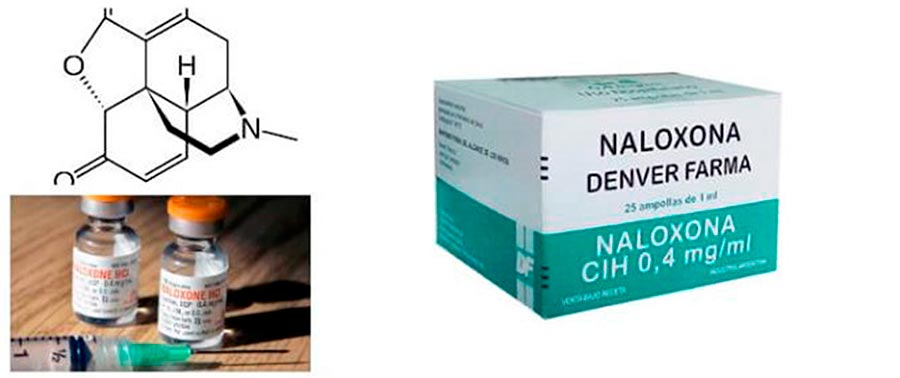
Naloxone, often known by its brand name Narcan, is an emergency medication designed to quickly counteract the life-threatening effects of an opioid overdose.
It achieves this by binding to opioid receptors in the brain, blocking and reversing the effects of opioids such as heroin or prescription painkillers, thereby restoring normal breathing and consciousness.
Naloxone in the Context of Withdrawal
It’s important to recognize that Naloxone serves a essential function in addressing opioid dependence, primarily by reversing overdoses rather than managing withdrawal symptoms. For those grappling with opioid addiction, withdrawal can be a significant challenge, highlighting the need to understand the limitations of Naloxone in this situation:
- Can naloxone be used for withdrawal? While naloxone is primarily used for reversing overdoses, it’s crucial to note that it is not specifically designed to treat withdrawal symptoms.
- Why isn’t naloxone a primary withdrawal medication? Naloxone can precipitate withdrawal, meaning it can immediately bring on withdrawal symptoms in someone dependent on opioids. Hence, using it as a withdrawal management tool might not be ideal.
The Importance of Naloxone Training
Recognizing the significance of Naloxone training is essential for effective emergency response. Proper training equips individuals with the skills needed to act swiftly and confidently in overdose situations, ultimately saving lives.
- Why is naloxone training essential? With proper naloxone training, individuals can effectively save lives during an opioid overdose situation.
- Who can be a naloxone trainer? Typically, health professionals and individuals certified in a naloxone training program can become trainers.
- What does a naloxone training program cover? These programs equip participants with knowledge on the administration of naloxone, recognizing overdose symptoms, and ensuring the safety of both the victim and the responder.
Alternative Methods for Managing Withdrawal
Finding effective ways to manage withdrawal is crucial for those facing opioid dependence. In addition to Naloxone, medications like methadone and buprenorphine provide targeted support to alleviate withdrawal symptoms, facilitating a smoother recovery process.
- If not naloxone, then what? Several other medications, such as methadone and buprenorphine, are designed to help manage opioid withdrawal symptoms more safely and effectively.
- Importance of medical supervision: Withdrawal from substances, especially opioids, should always be done under the guidance of medical professionals to ensure safety.
Risks of Self-Medicating with Naloxone
Self-medicating with Naloxone carries significant risks that must be acknowledged. While it is a lifesaver in overdose situations, improper use can lead to rapid and intense withdrawal symptoms, potentially causing more harm than good.
- The potential dangers: While naloxone is a lifesaver in overdose situations, its misuse can bring about rapid and intense withdrawal symptoms, causing more harm than good.
- Always consult a professional: Before using any medication for withdrawal, always seek the advice of a medical professional to avoid unforeseen complications.
Demystifying Naloxone’s Role in Withdrawal
So, is naloxone the key to managing withdrawal? The short answer is no. While it’s an invaluable tool in the fight against opioid overdose, its role in withdrawal is limited and can be counterproductive.
For anyone battling addiction or seeking answers for a loved one, always turn to professionals who can provide safe and effective solutions. Remember, while naloxone is a beacon in overdose situations, withdrawal requires a different kind of light.
Key Takeaways
- Primary Role of Naloxone: Naloxone (Narcan) is an emergency medication used to reverse opioid overdoses by blocking opioid receptors and restoring breathing and consciousness.
- Not for Withdrawal Management: It is not designed to treat withdrawal symptoms and can actually precipitate sudden withdrawal in opioid-dependent individuals.
- Naloxone Training Importance: Training programs teach how to recognize overdoses, safely administer naloxone, and ensure responder/victim safety; proper training can save lives.
- Alternative Withdrawal Treatments: Medications like methadone and buprenorphine are more effective and safer for managing withdrawal symptoms under medical supervision.
- Risks of Misuse: Self-medicating with naloxone is dangerous, as it may cause severe withdrawal and complications if not used correctly.
- Conclusion: Naloxone is invaluable in overdose emergencies but limited in detox; safe withdrawal management requires professional guidance and appropriate medications.
You may also like
Types of Inmate Rehabilitation Programs
Imagine being in a dark tunnel, with little hope of seeing light. Inmates often experience this feeling. However, rehabilitation programs serve as glimmers of hope, guiding them towards a brighter end. But what types of inmate rehabilitation programs exist? Let’s unravel this mystery, revealing how these programs can transform lives.
TL;DR
Inmate rehabilitation programs aim to reduce recidivism, promote prosocial behavior, and prepare individuals for life after prison through education, job training, therapy, mental health treatment, life skills, targeted interventions, constructive activities, and community mentoring. These programs use assessments to tailor support and may incorporate technology for more effective delivery. However, challenges such as limited funding, overcrowded facilities, and negative social perceptions hinder their success, making it crucial to address these barriers for effective reintegration and reduced reoffending.
Discover Justice-Oriented Counseling Solutions Today!
What Are the Different Types of Inmate Rehabilitation Programs?
Rehabilitation of inmates is important for several reasons. First, it can help reduce recidivism. Studies have shown that inmates who participate in rehabilitation programs are less likely to reoffend. Second, rehabilitation can help promote prosocial behaviors.
Rehabilitation programs can teach inmates skills and knowledge that will help them live a productive and responsible life. Third, rehabilitation can help prepare inmates for life after prison. Rehabilitation programs can help inmates develop life plans, find employment, and obtain social support.
Objectives of Inmate Rehabilitation
The objectives of inmate rehabilitation are:
- Reduce Recidivism: Rehabilitation should focus on helping inmates overcome the factors that led them to commit crimes in the first place. This may include treatment for substance use disorders, mental disorders, and other mental health issues.
- Promote Prosocial Behaviors: Rehabilitation should teach inmates skills and knowledge that will help them live a productive and responsible life. This may include education, job training, life skills, and social skills.
- Prepare Inmates for Life After Prison: Rehabilitation should help inmates develop life plans, find employment, and obtain social support.
9 Types of inmate rehabilitation programs
Through a variety of specialized programs, they seek to address the diverse needs of inmates by providing tools and skills that enable them to transform their lives. Below are nine key types of rehabilitation programs that play a essential role in this process:
1. Initial Assessment and Diagnosis
The first step in inmate rehabilitation is to perform an initial assessment and diagnosis. This will help identify each inmate’s individual needs and ensure they receive appropriate services. The assessment should include an evaluation of the inmate’s educational, occupational, mental health, and social needs.
2. Educational Programs
Educational programs can help inmates acquire the skills and knowledge they need to gain employment and live an independent life. Educational programs can include basic and secondary education, vocational and technical training, and higher education.
3. Job Training and Skill Development
Job training and skill development programs can help inmates develop the skills and experience they need to find employment. These programs can include basic skill training, specific industry skill training, and job placements.
4. Therapy and Counseling
Therapy and counseling programs can help inmates overcome mental health and addiction issues that may contribute to criminal behavior. These programs can include individual and group therapy, treatment for substance use disorders, and cognitive-behavioral therapy.
5. Mental Health Programs
Mental health programs can help inmates identify and treat mental disorders that may contribute to criminal behavior. These programs can include diagnosis and treatment of mental disorders, anger management programs, and support for chronic mental health illnesses.
6. Social and Life Programs
Social and life programs can help inmates develop the skills and knowledge they need to live an independent life. These programs can include life skills training, social skill development programs, and preparation for family and community reintegration.
7. Targeted Interventions for Specific Groups
Programs aimed at specific populations, such as youth, women, elderly, and minorities, can address the specific needs of these groups. These programs can include tailored cultural and religious services, support for minorities, and vulnerable groups.
8. Participation in Constructive Activities
Programs that offer inmates the opportunity to participate in constructive activities, such as art, music, sports, and recreation, can help develop their skills, reduce stress, and promote social reintegration.
9. Community Involvement and Mentoring
Programs that connect inmates with community organizations and mentors can help inmates develop support networks and prepare for life after prison.
Technology and Innovative Programs
Technology can be used to provide inmates with access to education, job training, and other rehabilitation services. Evidence- and data-based programs can help ensure that rehabilitation programs are effective.
Challenges and Barriers to Effective Rehabilitation
Despite the importance of inmate rehabilitation, there are several challenges and barriers that can hinder its effectiveness. Some of these challenges include:
- Limited Resources and Funding: Rehabilitation programs are often poorly funded, which can limit their scope and quality.
- Overcrowding and Facility Conditions: Overcrowding and the conditions of prison facilities can make it difficult to provide effective rehabilitation services.
- Public Policies and Social Perceptions: Public policies and negative social perceptions about rehabilitation can make it hard to gain support for rehabilitation programs.
Overcoming Barriers in Inmate Rehabilitation
Inmate rehabilitation is an essential component of the criminal justice system. However, there are a number of challenges and barriers that can hinder its effectiveness. It is important to address these challenges to ensure that inmates have the opportunity to reintegrate into society and reduce the risk of reoffending.
Key Takeaways
- Inmate rehabilitation is essential to reduce recidivism, promote prosocial behaviors, and prepare inmates for life after prison.
- Main objectives include addressing root causes of crime (e.g., substance abuse, mental health issues), providing education and job skills, and helping inmates reintegrate into society.
- Nine key types of rehabilitation programs are:
- Initial Assessment & Diagnosis – Identifies individual needs.
- Educational Programs – Provide academic, vocational, and higher education.
- Job Training & Skill Development – Prepares inmates for employment.
- Therapy & Counseling – Addresses addiction and mental health issues.
- Mental Health Programs – Diagnose, treat, and manage mental disorders.
- Social & Life Programs – Build life skills and prepare for family/community reintegration.
- Targeted Interventions – Tailored support for groups like youth, women, elderly, and minorities.
- Constructive Activities – Engage inmates in art, sports, and recreation to reduce stress and build skills.
- Community Involvement & Mentoring – Connect inmates with mentors and support networks.
- Technology and data-driven approaches enhance program effectiveness by expanding access to education and training.
- Major barriers include limited funding, overcrowding and poor facility conditions, and negative public perceptions or policies.
- Overcoming these challenges is critical for effective rehabilitation and successful reintegration of inmates into society.