Does Insurance Cover HIV/AIDS Education in Brooklyn? A Guide to Accessing Care Without Worry
By the LSA Recovery editorial team
What Is HIV/AIDS Education and Why It Matters
HIV/AIDS education is a way to learn the facts about HIV and AIDS in a safe, private, and supportive setting. It covers how the virus is transmitted, how to prevent it, what treatment options are available, and how to live well with HIV. This kind of education is not about judgment or fear. It is about giving you the knowledge and tools to protect your health and the health of people you care about. At LSA Recovery, our HIV/AIDS Education program is designed to meet you where you are, with information that is clear, practical, and free of shame.
Understanding HIV and AIDS is especially important for anyone who uses substances or is in recovery. Substance use can increase the risk of exposure to HIV, and having accurate information can help you make safer choices. That is why our team often connects HIV/AIDS education with other services like a Substance Use Assessment or Health Education Groups. These programs work together to support your overall well-being. For example, learning about prevention can go hand in hand with understanding how Naloxone Training and Kits can save a life during an overdose. Both are about keeping you and your community safe.
HIV/AIDS education also matters because it fights stigma. Many people carry worries about what others might think if they ask questions or seek help. But knowledge is power, and asking for information is a sign of strength. Our care team is here to answer your questions without judgment. Whether you are coming for yourself, a family member, or because a court or agency has asked you to, you deserve clear facts and compassionate support. For more on how we approach care, you can read about Our Philosophy and what guides our work every day.
What Happens in an HIV/AIDS Education Session
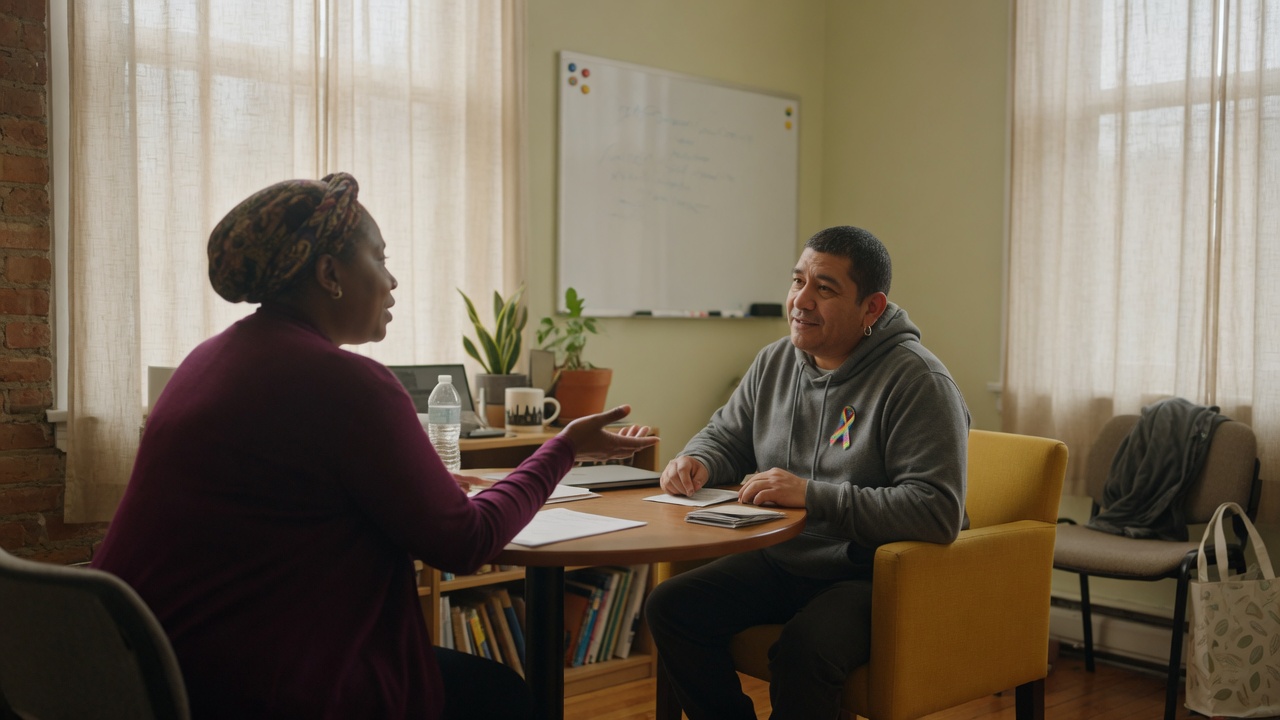
An HIV/AIDS education session at LSA Recovery is a safe, private space where you can ask questions and learn at your own pace. Our care team leads these sessions with warmth and respect, never with judgment. You will learn about how HIV is transmitted, how to prevent it (including PrEP and PEP), and what treatment options are available today. We also talk about how to live well with HIV and how to protect your loved ones. These sessions are part of our Health Education Groups, which cover many topics related to overall wellness. If you also have concerns about substance use, our Substance Use Assessment can help connect the dots between your health and your recovery.
Education is just one piece of a larger support system. For example, if you or someone you care about uses opioids or other drugs, our Naloxone Training and Kits program teaches you how to reverse an overdose and stay safe. For those dealing with both substance use and mental health challenges, our MICA Program offers integrated care. And if you are worried about how to pay for services or how to navigate insurance, our Care Management team is here to help you every step of the way. They can check your coverage and explain what your plan includes, so you can focus on your health without financial stress.
We understand that reaching out for HIV education can feel hard, especially if you worry about cost or stigma. That is why we offer Same-Day Appointment options, so you can start when you are ready. And if you have family members who want to support you, our ACRA & CRAFT programs provide tools for families to help in a positive, non-judgmental way. Remember, learning about HIV is an act of strength. It helps you take control of your health and protect the people you love. You are not alone in this, and our team is here to walk with you.
Does Insurance Cover HIV/AIDS Education? Yes, Here’s How
If you are worried about the cost of HIV/AIDS education, you are not alone. Many people in Brooklyn wonder whether their health insurance will cover these services, or if they will have to pay out of pocket. The good news is that HIV/AIDS education is considered a preventive health service. Under the Affordable Care Act (ACA), most insurance plans cover preventive services like this without a copay or deductible, as long as you see an in-network provider. This means you can often get the information and support you need at little to no cost to you.
At LSA Recovery, our HIV/AIDS Education program is designed to be accessible and welcoming. Our care team can help you understand your coverage and verify your benefits before you start. We accept most major insurance plans, including Medicaid and Medicare. If you are unsure about your plan, our Care Management team is here to walk you through the process step by step. You can also start with a Same-Day Appointment if you prefer to get answers quickly. The goal is to remove any financial worry so you can focus on your health and well-being.
- HIV/AIDS education is typically covered as a preventive service under the Affordable Care Act, often with no copay or deductible for in-network care.
- LSA Recovery’s care team can help verify your insurance coverage and answer any questions about costs.
- We accept most major plans, including Medicaid and Medicare, and offer same-day appointments for those who want to start right away.
- Your insurance information is kept private and confidential, just like all of your health information.
What If I Don’t Have Insurance or Am Worried About Cost?
It is completely understandable to feel anxious about the cost of care, especially when you are already dealing with a lot. You might worry that HIV/AIDS education or other health services will be too expensive, or that your insurance will not cover them. The good news is that many preventive services, including HIV/AIDS education, are often covered by insurance plans without a copay or deductible, thanks to the Affordable Care Act. At LSA Recovery, our care team can help you understand what your plan covers, and we accept most major plans, including Medicaid and Medicare. If you do not have insurance, we can still help you find a way to access the education and support you need.
HIV/AIDS education is a powerful tool for staying healthy and protecting the people you care about. It covers topics like how HIV is transmitted, how to prevent it (including PrEP and PEP), treatment options, and how to live well with HIV. These sessions are private, non-judgmental, and tailored to your life. They are also part of a bigger picture of wellness. For example, if you are also working on substance use concerns, our Substance Use Assessment can help you understand how those pieces fit together. And if you need support for your overall health, our Health Education Groups offer a space to learn and connect with others. For those who want to be prepared in an emergency, our Naloxone Training and Kits program is another free or low-cost resource.
If you are worried about stigma or privacy, know that all of your information is kept confidential. Our staff is here to help you navigate insurance questions through our Care Management services, and we offer Same-Day Appointment options so you can start right away without a long wait. Whether you are coming on your own, with family, or through a program like ACS (Family Support) or Criminal Justice Counseling, we meet you where you are. You do not have to figure this out alone. Reaching out for education is a sign of strength, and we are here to help you take that step.
- Call LSA Recovery to ask about insurance coverage and free or low-cost options.
- Check with your insurance plan to see if HIV/AIDS education is a covered preventive service.
- Ask our team about Same-Day Appointment to get started quickly.
- Explore related support like ACRA & CRAFT for family support or the MICA Program if you have co-occurring mental health concerns.
How HIV/AIDS Education Connects to Other Care You May Need
HIV/AIDS education is not a standalone service. It works best when it is part of a larger plan that supports your whole health. At LSA Recovery, we see how learning about HIV can connect naturally to other kinds of care you might already be receiving or thinking about. For example, if you are also working on your substance use, our Substance Use Assessment can help us understand how HIV prevention or treatment fits into your daily life. Many people find that talking about HIV in a safe space makes it easier to also explore Medication-Assisted Treatment or join our Health Education Groups, where you can learn alongside others who share similar experiences.
This connection goes beyond medical facts. HIV/AIDS education can also support your emotional well-being. If you feel anxious, isolated, or overwhelmed, our Individual, Family & Group Counseling offers a place to talk through those feelings without judgment. For families, our ACRA & CRAFT program provides tools to support a loved one while also caring for yourself. And if you are managing both substance use and a mental health condition, our MICA Program brings together care for both at once. We also offer Naloxone Training and Kits as part of our harm reduction approach, because staying safe from overdose is another way to protect your health while you learn about HIV.
The goal is to make sure you never have to choose between one kind of care and another. Our Care Management team can help you understand how your insurance covers these services and connect you to anything else you need, like Crisis Management if you are in a tough moment, or Vocational & Educational Rehabilitation if you are ready to rebuild your work or school life. For those involved with the court system, our Criminal Justice Counseling and DWI Program can include HIV education as part of your plan. And for families working with child welfare, our ACS (Family Support) program makes sure HIV education is offered in a way that respects your whole situation. You can start with a Same-Day Appointment and let us help you build a path forward that fits you.
Support for Families and Caregivers
If you are a family member or caregiver of someone living with HIV or at risk for HIV, you may have questions about how to support your loved one while also taking care of yourself. HIV/AIDS education is not just for the person directly affected; it can also help families understand transmission, prevention, and treatment options. Many insurance plans cover these educational services for family members as well, especially when they are part of a broader care plan. At LSA Recovery, our care team offers family-centered support through programs like ACRA & CRAFT, which are designed to help families build communication skills and create a supportive environment for recovery. We also provide Individual, Family & Group Counseling to address the emotional and practical challenges that come with a new diagnosis or ongoing care.
You might worry about the cost of these services, but most insurance plans, including Medicaid and Medicare, cover HIV/AIDS education as a preventive benefit. Our Care Management team can help you verify your coverage and find options that fit your budget. For families involved with child welfare, our ACS (Family Support) program offers additional guidance and resources. We also offer Naloxone Training and Kits for families who want to be prepared in case of an overdose emergency, which can be a concern when substance use is part of the picture. No matter your situation, you are not alone. Reaching out for education and support is a sign of strength, and our staff is here to walk with you every step of the way.
- Learn about HIV transmission and prevention in a private, judgment-free setting.
- Get support for your own emotional well-being as a caregiver.
- Connect with other families through our Health Education Groups and ACRA & CRAFT programs.
- Ask our team about insurance coverage for family-focused services.
Taking the First Step: How to Get Started Today
If you are wondering whether your insurance covers HIV/AIDS education in Brooklyn, the clearest first step is to reach out to us at LSA Recovery. Our team can help you understand your plan, verify your benefits, and answer any questions you have about costs. We know that worrying about money or insurance can feel like a barrier, but we are here to make it easier. Many people find that their plan covers these services fully or at a low cost, especially since they are considered preventive care. You do not have to figure this out alone.
When you contact us, we can also connect you with other support that may be helpful. For example, if you are also managing a substance use concern, we offer a confidential Substance Use Assessment to understand your needs. Our Care Management team can help you coordinate appointments, find resources, and keep everything organized. And if you are ready to start right away, ask about our Same-Day Appointment option. We want to make the process as smooth and welcoming as possible.
- Call us or visit our Contact Us page to speak with someone who can check your insurance and answer your questions.
- Request a free, confidential consultation to learn more about what HIV/AIDS education involves and how it can help you.
- If you are connected to other programs like ACS (Family Support) or Criminal Justice Counseling, we can work with those too. Just let us know.
More Ways We Can Help
When to Seek Care Right Away
- Signs of an overdose: the person cannot be woken, breathing is slow or has stopped, or the lips and fingertips look blue or grey. Call 911 immediately and give naloxone if it is available.
- Thoughts of suicide or self-harm, or feeling unable to stay safe. Call or text 988 for the Suicide and Crisis Lifeline.
- Chest pain, a racing or irregular heartbeat, trouble breathing, or fainting.
- Withdrawal from alcohol or benzodiazepines with shaking, confusion, hallucinations, or a seizure. This can be life threatening and needs emergency care rather than stopping on your own.
- Repeated vomiting, being unable to keep fluids down, or a high fever during withdrawal.
Sources
If you or someone you know is struggling with substance use, thinking about suicide, or in crisis right now, help is available. Call or text 988 to reach the 988 Suicide & Crisis Lifeline, or call the SAMHSA National Helpline at 1-800-662-4357 (1-800-662-HELP) for free, confidential, 24/7 treatment referral and information in English and Spanish. You can also search for local treatment options anytime at FindTreatment.gov. You are not alone, and reaching out is a sign of strength.
Disclaimer: This article is for general educational purposes only and is not a substitute for professional mental-health, medical, or crisis care. Always seek the advice of a qualified clinician or care provider with any questions you may have about a specific mental-health, behavioral, or substance-use concern. If you are in crisis, see the resources below.