What Is Rehab? A Warm, Honest Guide to Treatment and Recovery
By the LSA Recovery editorial team
What Is Rehab, Really? (And What It Isn't)
"Rehab" is short for rehabilitation, but it's not a single place or a one-size-fits-all program. At its heart, rehab is a structured and supportive process for substance use disorder. It's a way to get care, learn new skills, and build a life that feels steadier. The National Institute on Drug Abuse (nida.nih.gov) explains that addiction is a chronic brain condition, not a sign of weakness or a moral failing. And the Substance Abuse and Mental Health Services Administration (samhsa.gov) reminds us that prevention and treatment work. Rehab is one of the ways that help becomes real.
It's also important to say what rehab isn't. It isn't a punishment. It isn't only residential detox. It isn't something you have to hit rock bottom to deserve. And it isn't about white-knuckling through with willpower alone. Recovery is possible, and reaching out for help is a sign of strength. That belief is at the center of Our Philosophy at LSA Recovery. To learn more about who we are and how we approach care, our About Us page is a good place to start.
So what actually happens in rehab? It usually starts with a Substance Use Assessment, where you and a care team talk about your situation, your goals, and what kind of support might help. From there, a personalized plan might include Individual, Family & Group Counseling, Medication-Assisted Treatment when appropriate, and Care Management. You don't need to have all the answers before you reach out. You can start with a Same-Day Appointment and take the next step from there.
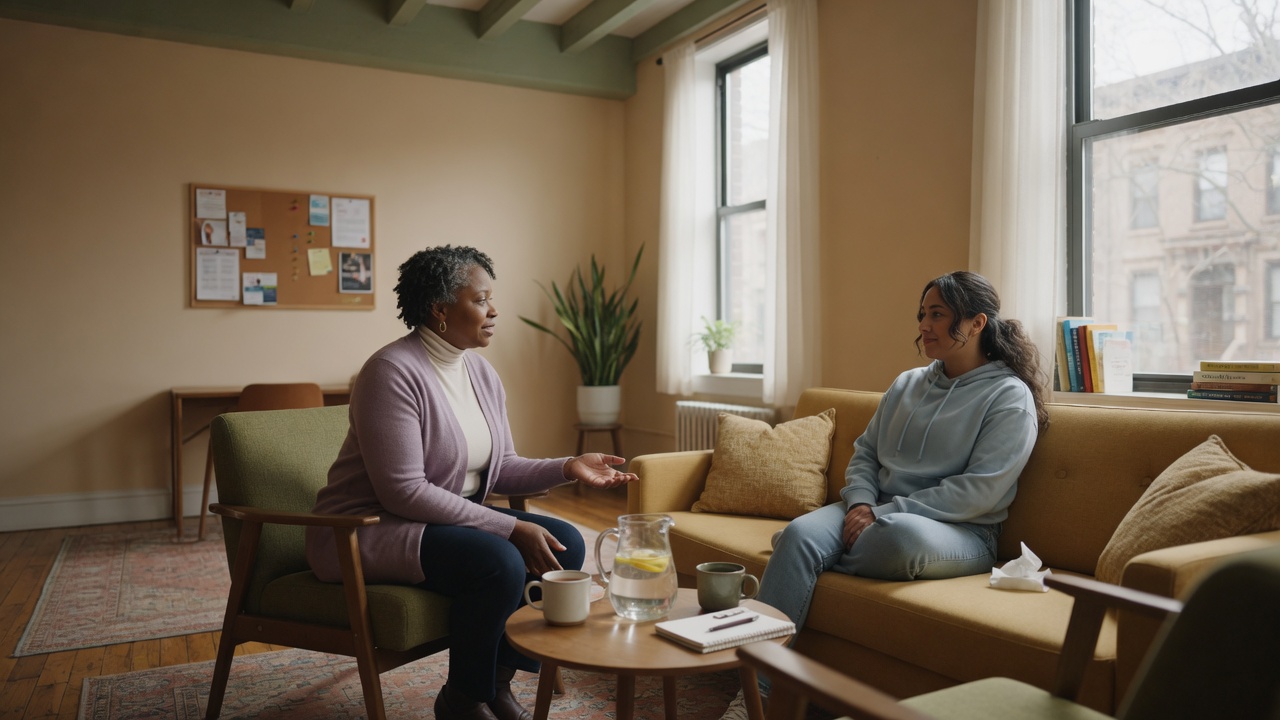
How Do You Know If You or Someone You Love Needs Rehab?
There is no single test that tells you when substance use has become something more. No blood test, no score on a chart, no exact number of drinks or pills. But if you are reading this because you are worried about yourself or someone you love, that worry matters. Substance use disorder is a health condition, not a moral failing. The National Institute on Drug Abuse describes addiction as a brain disorder that changes how a person thinks, feels, and behaves. That is why it is not something a person can simply switch off with willpower. When substance use begins to affect your health, your relationships, your work, or your safety, it may be time to talk with someone who can help.
Some common signs that substance use may have become hard to manage include:
You don't need to see every sign on this list. Even one or two, when they keep happening, are worth talking about. SAMHSA notes that prevention and early help can make a real difference. If you recognize these signs in yourself, you don't have to wait for things to get worse. There's no rule that says you must hit rock bottom before you deserve help. In fact, treatment tends to work best when it starts early. A good first step is a Substance Use Assessment: a calm, private conversation with our care team about what's happening and what kind of support might help. You don't need to have all the answers before you call. Many people feel unsure, nervous, or even skeptical at first, and that's okay. You can start with a Same-Day Appointment and take it one step at a time. If you're worried about someone else, you don't have to figure it out alone. Our care team can help you understand what you're seeing and how to offer support in a caring, not controlling, way. This is part of why Our Philosophy is built on compassion and respect: everyone deserves a path forward, no matter where they're starting from.
- Using more of a substance, or using it more often, than you planned
- Wanting to cut down or stop, but not being able to
- Spending a lot of time using, recovering, or thinking about the next time
- Strong cravings that are hard to ignore
- Needing more of a substance to feel the same effect
- Feeling sick or restless when you stop using
- Giving up hobbies, events, or people you used to enjoy
- Continuing to use even when it causes problems at home, work, or school
What Actually Happens in Rehab: Assessment, Counseling, and Medication-Assisted Treatment
If you've never been through treatment, you might wonder what actually happens once you walk through the door. The short answer: it depends on you. Rehab is designed around your needs, your goals, and your life. It usually starts with a Substance Use Assessment, where our care team takes time to understand your history, your health, and what you hope to change. This is not a test you can pass or fail. It's a conversation.
From there, a personalized plan is built. That plan may include Individual, Family & Group Counseling, which helps you understand the patterns behind substance use and build new coping skills. For many people, Medication-Assisted Treatment (MAT) is also part of the picture. MAT combines counseling with FDA-approved medications to help reduce cravings and withdrawal symptoms, making it easier to focus on recovery. According to the National Institute on Drug Abuse, treatment for substance use disorders can be effective, and medications are one tool that helps many people. SAMHSA's prevention resources also remind us that substance use disorders are preventable and treatable.
Beyond counseling and medication, treatment often includes Care Management and Health Education Groups. Our Care Management team helps you coordinate appointments, connect with community resources, and handle the practical side of life while you heal. Health Education Groups, including HIV/AIDS Education, give you a space to learn about how substances affect your body and mind, without judgment. Treatment is not about willpower alone. It's about learning new skills and getting the right support. The goal is not just to stop using, but to build a life you don't want to escape from.
Rehab Looks Different for Everyone: Outpatient, Residential, and Harm Reduction
Rehab is not one single place or one single method. For some people, it means a residential program where they stay overnight for a period of time. For others, it means an outpatient program where they continue living at home, going to work or school, and attending counseling sessions during the week. Both approaches can be part of a real, lasting recovery. Treatment can also include harm reduction, which focuses on keeping people safe and healthy while they work toward change. For example, Naloxone Training and Kits can save a life during an overdose and serve as a bridge to treatment. According to NIDA's Drug Facts, addiction treatment can take place in different settings and use different approaches, and what works for one person may not work for another.
Most treatment starts with an assessment, where a care team learns about your history, your goals, and your concerns. From there, they build a plan around you. That plan might include Individual, Family & Group Counseling, Medication-Assisted Treatment when it is appropriate, and help coordinating appointments, housing, or other needs. Some people also benefit from Health Education Groups or support for co-occurring mental health conditions. The goal is not to fit you into a program; it is to build a program around you.
No one has to hit rock bottom before seeking help, and no one has to have all the answers. If you are wondering whether treatment is right for you, the simplest next step is to reach out and talk with someone who understands. You can start with an assessment and go from there.
How to Begin: Same-Day Appointments, Insurance, and Cost
The first step is simpler than you might think. You don't need to have all the answers or know exactly what kind of help you're looking for. Many people start with a Substance Use Assessment, a relaxed, honest conversation with our care team about what's been going on. From there, we build a plan together. If you're ready to talk today, you can schedule a Same-Day Appointment and meet with someone who will listen without judgment.
Cost and insurance are common worries, and they shouldn't stand in the way of getting support. We work with many insurance plans, and our staff can help you understand what your coverage includes. If you don't have insurance, we can talk through other options. You can also reach out through our Contact Us page anytime, and we'll help you figure out the next step. No one should have to navigate this alone, and you don't have to wait until things feel unmanageable to ask for help. For urgent situations, our Crisis Management services are here to help you stabilize and find your footing.
- A warm, private conversation with no pressure and no judgment.
- Help understanding your insurance, any costs, and what to bring.
- A same-day appointment if that works for you.
- A clear next step, whether that's counseling, education, or another service.
Support for Families and Loved Ones
Substance use affects the whole family, not just the person using it. If you are a parent, partner, sibling, or close friend, you may be carrying worry, confusion, or even guilt. You might wonder if you said the wrong thing, or if you should have noticed sooner. Please know this: addiction is a health condition, not a failure of love or willpower. And treatment is not something that happens to one person alone. Many rehab programs include the people who care about the person in recovery, because healing together is often stronger than healing apart. Our Individual, Family & Group Counseling services give families a safe space to talk, listen, and rebuild trust.
Family support can take many forms. Some families benefit from programs like ACRA & CRAFT, which teach practical ways to encourage positive change while also taking care of your own well-being. Others may be involved with the child welfare system and need extra guidance; our ACS (Family Support) program is designed for exactly that situation. Care Management can also help you coordinate appointments, find resources, and make sure no one falls through the cracks. You just need to take the first step.
Learning about substance use can also ease fear and blame. According to the National Institute on Drug Abuse, addiction is a chronic brain disease, not a moral failing. Understanding this can help families respond with compassion instead of shame. The Substance Abuse and Mental Health Services Administration also points out that family-based prevention and support can make a real difference. When you reach out for help, you are not only supporting your loved one, you are supporting yourself. That is a strong and loving thing to do.
- Join family counseling to improve communication and rebuild trust.
- Ask about ACRA & CRAFT for practical tools and self-care strategies.
- If you are involved with ACS, ask about family support services.
- Take time to learn about addiction as a health condition.
- Reach out to our care team to find the right fit for your family.
Life After Rehab: Building a Recovery Support System
Completing a treatment program is a major milestone, but recovery is a lifelong process. Life after rehab is about building a support system that helps you stay grounded, connected, and hopeful. At LSA Recovery, our Care Management team works with you after treatment to coordinate appointments, connect you to community resources, and help you navigate the ups and downs of daily life. You do not have to do this alone.
A strong support system includes people who understand what you are going through. Individual, Family & Group Counseling can continue after rehab, giving you a safe space to process challenges and celebrate progress. For families, ACRA & CRAFT programs offer practical tools to support a loved one in recovery while also taking care of their own well-being. Rebuilding your daily routine matters too. Vocational & Educational Rehabilitation can help you return to work or school, which brings structure, purpose, and a sense of accomplishment. According to the National Institute on Drug Abuse, addiction is a treatable medical condition, and recovery is possible with the right support.
- Keep regular appointments with counselors and care managers.
- Stay connected to sober friends and supportive family members.
- Find meaningful activities like work, school, volunteering, or hobbies.
- Have a plan for stressful moments, including who to call.
- Learn about overdose prevention and keep naloxone nearby if you or someone you love is at risk.
Frequently Asked Questions About Rehab
It's completely normal to have questions about rehab. Maybe you're wondering what it really involves, whether it will work, or whether you even "qualify" for help. The truth is, rehab is not a single place or a one-size-fits-all program. It's a structured, supportive process designed around your needs, your goals, and your life. Our Substance Abuse Education program helps people understand what treatment looks like before they ever make a decision, so you can explore your options without pressure.
One of the most common fears is that you have to hit rock bottom before treatment can help. That's simply not true. The National Institute on Drug Abuse explains that addiction is a chronic condition, not a moral failing, and recovery is possible at any stage. You don't need to have all the answers before reaching out. A simple conversation can be the first step.
- How do I begin? Start with a Substance Use Assessment, where our care team listens to your story and helps you figure out what kind of support fits best. You can often get a Same-Day Appointment so you don't have to wait.
- What if I'm required to go to treatment by a court, probation officer, or agency like ACS? You're welcome here. Our Criminal Justice Counseling and DWI Program are designed to meet those requirements with respect, and our ACS (Family Support) program helps parents and caregivers.
- What if I also struggle with anxiety, depression, or other mental health challenges? Many people do. Our MICA Program offers dual-diagnosis support, so you can address substance use and mental health together.
- Can my family be part of my recovery? Yes. We offer ACRA & CRAFT programs that help families learn how to support a loved one in a healthy way, and family counseling is always an option.
More Ways We Can Help
When to Seek Care Right Away
- Symptoms that are severe, sudden, or rapidly getting worse
- Fever along with pain or other new symptoms
- Chest pain, difficulty breathing, or fainting
- Numbness, weakness, or loss of function in an arm or leg
- Any symptom severe enough to interrupt sleep, work, or daily activities for more than a few days
Sources
If you or someone you know is struggling with substance use, thinking about suicide, or in crisis right now, help is available. Call or text 988 to reach the 988 Suicide & Crisis Lifeline, or call the SAMHSA National Helpline at 1-800-662-4357 (1-800-662-HELP) for free, confidential, 24/7 treatment referral and information in English and Spanish. You can also search for local treatment options anytime at FindTreatment.gov. You are not alone, and reaching out is a sign of strength.
Disclaimer: This article is for general educational purposes only and is not a substitute for professional mental-health, medical, or crisis care. Always seek the advice of a qualified clinician or care provider with any questions you may have about a specific mental-health, behavioral, or substance-use concern. If you are in crisis, see the resources below.